
Logo
Get Estimate

Washer diagnostics and troubleshooting in Texas

Find the fault, understand the fix, get laundry moving


Washer diagnostics and troubleshooting in Texas helps homeowners identify why a machine leaks, stops, shakes, or leaves clothes wet. Our team checks the washer, explains the cause, and recommends the next repair step; washing machine fault diagnosis in Texas is useful when an error code or intermittent symptom makes the cause unclear. You get practical findings for your machine and home, not a parts guess.

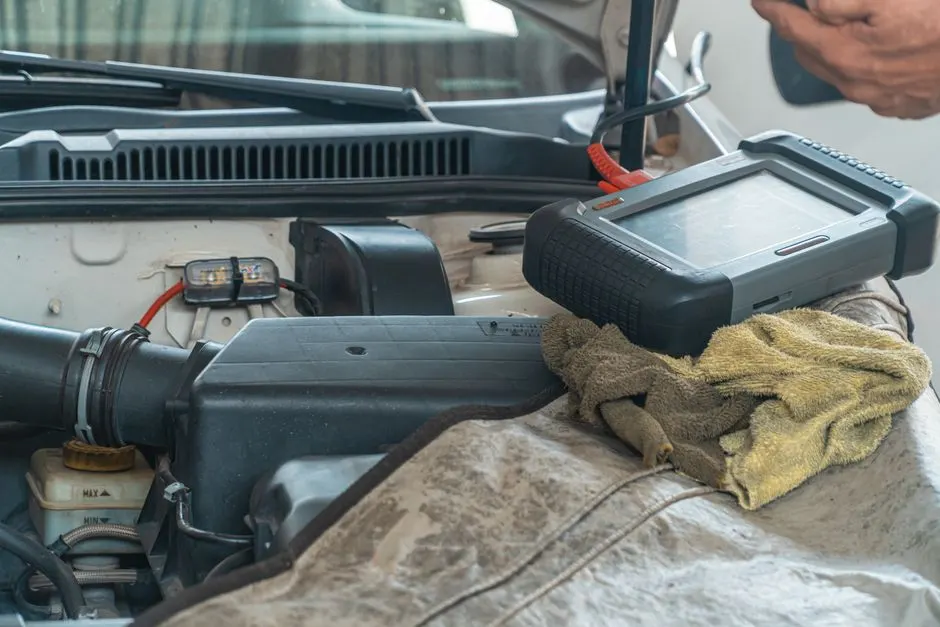
Close-up of a car engine inspection using a diagnostic tool in a garage setting, showcasing automotive maintenance and repair.
Licensed Licensed & Bonded
Fully Insured Insured & Bonded
24/7 Emergency Same-Day Response
Warranty Backed Workmanship Guaranteed

What washer diagnostics include

A diagnostic visit covers symptom review, visual inspection, targeted testing, and a clear explanation of the likely cause. We focus on the reported failure and related systems, then explain repair pricing before you choose the next step. Replacement parts and repair labor are separate from the diagnostic checks when a repair is needed; the result gives you a sound basis for that decision.

Symptom and model review

We record the washer brand and model, cycle involved, error display, and when the problem occurs. You can describe changes in noise, water level, or timing. Those details help us select relevant tests instead of checking unrelated systems.
Water and drain inspection

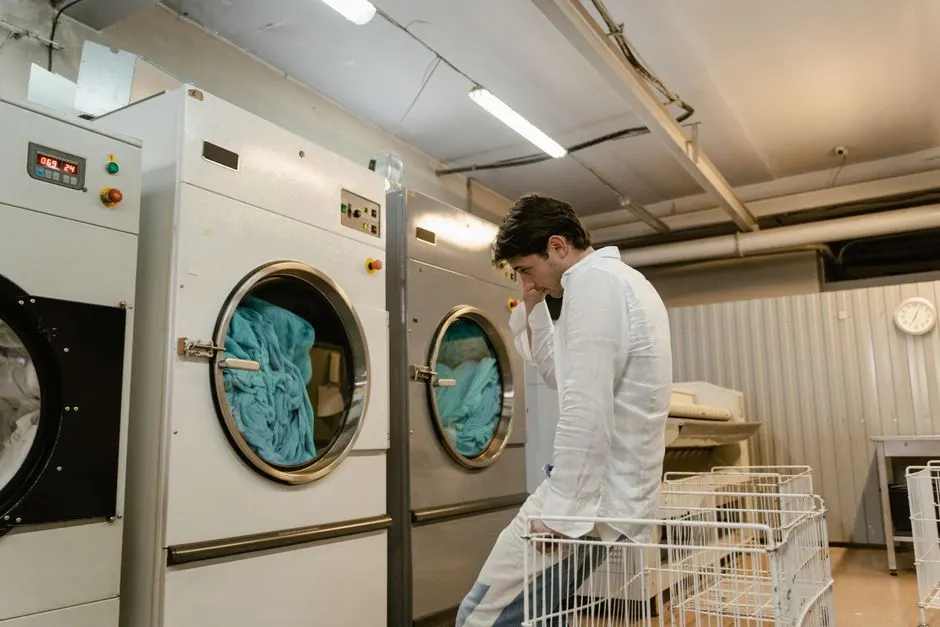
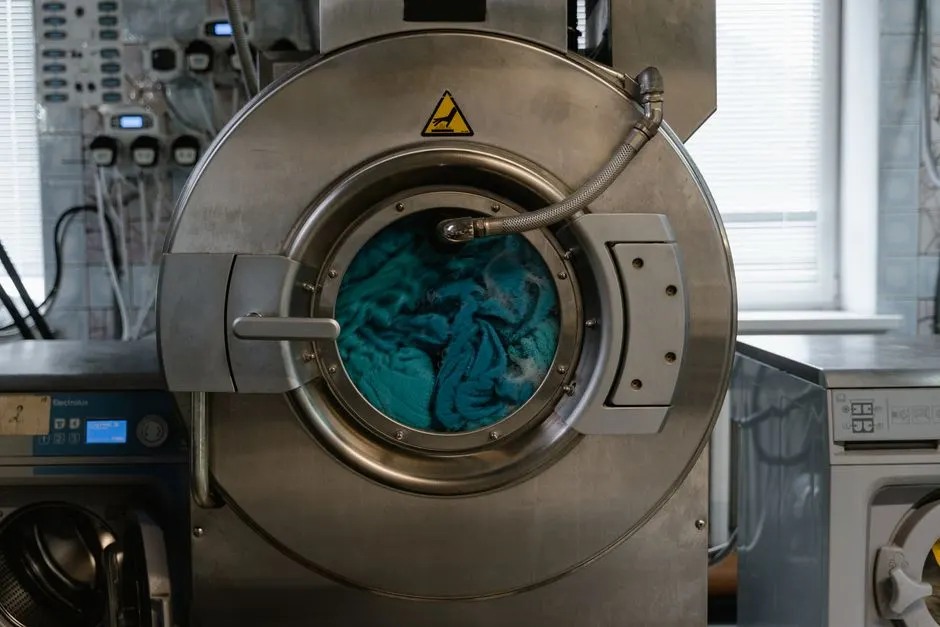
We inspect visible hose connections, the drain route, and accessible filter areas for leaks, kinks, blockage, or residue. If the washer is safe to operate, we observe filling and draining behavior to locate where water flow stops or escapes.

Electrical and component checks

We use suitable test equipment to check electrical response and components linked to the failure. Depending on the symptom, checks may include door lock, water inlet valve, drain pump, drive system, or control response. We keep testing tied to the evidence.

Findings and repair direction

We explain what passed, what failed, and which repair addresses the confirmed issue. You receive the recommended next step and upfront price before repair begins. If the symptom could not be reproduced, we tell you what we observed and which conditions matter.

Washer diagnostics and troubleshooting in Texas


Washer diagnostics and troubleshooting in Texas is a washer assessment that identifies the cause of a performance or safety problem before repair work begins. We inspect the cycle behavior, water supply, drainage, door lock, electrical response, and visible components, then test likely failure points with the washer safely isolated where needed. A multimeter helps check electrical continuity, while a drain pump filter tool supports access to a clogged filter. We use the model and symptoms to distinguish a failed component from a blocked hose, load issue, or installation condition.

Texas homes face different washer conditions, from humid coastal air that encourages musty odors to hard-use laundry rooms where vibration can loosen a connection over time. If you are trying to diagnose a washer that will not start in Texas, we check the outlet, door or lid lock, control response, and water entry before naming a cause. Our washing machine troubleshooting technician in Texas also looks for washer not draining, washer not spinning, leaks, and error codes that return after a reset.

What to expect during service

Washer diagnostics and troubleshooting in Texas follows a clear sequence: listen to the symptom, inspect the machine, test the suspected systems, and explain the result. Most visits take about 45 to 90 minutes when the washer is accessible and the fault can be reproduced. We ask you to describe the cycle, sounds, leaks, or code before testing.

01

Schedule

Call or book online — a real human picks up and confirms a 2-hour arrival window.

02

Diagnose

Licensed tech inspects on-site, then walks you through the cause and your options.

03

Fix

The job is completed to code and done right the first time — no shortcuts, no surprises.

04

Guarantee

Every job backed by a written workmanship warranty — and we stand behind it.

Tools and diagnostic methods

Tools & Equipment

Multimeter

We use a multimeter to check continuity and voltage at appropriate washer components after making the equipment safe to test. Readings help separate an open electrical path from a mechanical obstruction.

Clamp meter

A clamp meter measures current draw during a controlled operating test. We use the reading alongside cycle behavior to investigate a motor or electrical symptom rather than treating the number alone as a diagnosis.

Socket and nut-driver set

This set provides controlled access to service panels and fasteners. We select the correct size to avoid damaging cabinet hardware while reaching the component involved in the reported fault.

Spirit level

We check whether the washer sits level and stable, especially when the complaint involves walking or excessive spin vibration. Correct leveling helps distinguish setup issues from worn suspension parts.

Washer drain pump filter tool

This tool supports access to applicable pump-filter assemblies when a washer will not drain or has retained debris. We contain residual water and inspect the filter path before judging pump condition.

Methods & Standards

Symptom-to-system isolation

We map the reported event to the washer system most likely involved, then test that system first. A fill failure, for example, directs attention to water entry and control signals; a drain failure directs attention to the filter, hose, and pump. This keeps the inspection focused.

Model-specific code verification

We use the exact model information to interpret fault codes and select the correct service checks. The code is treated as a starting point, not proof that a particular part has failed. We compare it with component response and the cycle stage where the fault occurs.

Safe electrical testing

We follow OSHA workplace safety standards and applicable UL electrical safety standards for listed appliance components. The washer is isolated when access or testing requires it, and measurements are taken only at relevant points. This reduces exposure while producing useful diagnostic evidence.

Post-repair verification

After an approved repair, we run an appropriate cycle or functional test and check the original symptom. We observe filling, draining, spin, noise, and visible leaks as relevant. The aim is to confirm that the diagnosed fault has been addressed before we finish.

When to book washer diagnostics

01

Your washer displays a code, but the manual reset does not clear the problem.

What we do: We record the exact code and model, then compare the alert with the washer's behavior. Our testing checks the system named by the code and the components that could produce the same symptom. We explain whether the code reflects a blockage, sensor response, wiring fault, or another issue.

→ You get a reasoned diagnosis and a repair direction instead of repeating resets that leave the underlying fault untouched.

02

A damp patch appears after washing, but the machine and hose connections look dry.

What we do: We inspect the door area, hose joints, fill path, and drainage during a controlled cycle where safe. Tracking when the water appears helps distinguish a door seal leak from a fill or drain connection. We identify the source before recommending a seal, hose, or valve repair.

→ You know where the water escapes and can address it before repeated cycles spread moisture into flooring or nearby walls.

03

Your washer works for several loads, then stalls or refuses to spin.

What we do: We note the cycle stage and load conditions, then test the related drain, lock, drive, and control functions. Intermittent failures need careful symptom history; a video or code record can help reproduce the pattern. We report which checks support the diagnosis.

→ You receive a clear next step for an intermittent fault, rather than an unnecessary part replacement based on one normal cycle.

04

A newly moved or installed washer vibrates, leaks, or drains inconsistently.

What we do: We check leveling, hose routing, connection points, and the drain arrangement, then observe the washer under a suitable test. Installation-related work is reviewed against applicable local plumbing and electrical code requirements. If setup is correct, we continue with component testing.

→ You learn whether the problem comes from installation conditions or an appliance fault, with practical steps to restore stable operation.

How washer diagnostics work across Texas

Washer diagnostics across Texas must account for different home layouts, weather exposure, and installation conditions. Coastal humidity can contribute to musty odors around a door boot seal, while heavy rain or storm-related power interruptions can make an intermittent electrical symptom harder to reproduce. In colder inland periods, keep exposed supply lines protected and report any water-flow change; a washer should not be tested if a hose or connection is visibly frozen or damaged. Our team checks the actual washer and laundry area rather than assuming one regional condition explains every fault. Texas washer diagnostics and troubleshooting includes attention to hose routing, drainage, machine stability, and nearby electrical access. We also consider local plumbing and electrical code requirements applicable to installation work when a diagnosis points to a setup issue. Tell us whether your machine is in a closet, garage, utility room, or upstairs laundry area, and share the brand, model, and any displayed code. Those details help us prepare for access and focus the first tests.

Neighborhoods We Serve

  • The Heights

    Compact laundry closets and older utility connections can limit access. We inspect hose routing and drainage carefully before deciding whether a performance issue belongs to the washer or its setup.

  • Montrose

    Closet installations can make a leak difficult to trace by sight. We check the washer door, fill connections, and drain route while protecting nearby flooring and cabinetry.

  • West University Place

    Finished laundry spaces call for careful water and electrical checks. We identify the fault with targeted testing and verify the area remains dry during the appropriate cycle.

  • Clear Lake

    Humidity and frequent laundry use can make odors or recurring leaks more noticeable. We inspect the seal, hose connections, and drainage instead of treating odor as a diagnosis by itself.

Local Conditions We Plan For

  • Humid coastal air can keep washer seals and laundry closets damp

    Persistent moisture can contribute to mildew odor around the door area and make small leaks harder to spot. We inspect the seal and nearby connections, then separate ordinary dampness from active water escape.

  • Seasonal cold snaps can affect exposed water supply lines

    A washer that fills slowly after cold weather needs a supply check as well as appliance testing. We inspect accessible hoses and valve response, and avoid operating equipment when a line is visibly frozen or damaged.

  • Tight closets and stacked units restrict service access

    Limited clearance can change how we reach panels and inspect connections. We assess the installation first, use focused testing, and explain when safe access requires moving the unit or coordinating an additional step.

Drain failure identified and corrected

Before

A front-load washer stopped with water in the drum, and each restart ended at the same point. The owner had already tried a power reset, but the code returned. Laundry could not be moved to the spin cycle, and a damp odor was beginning to linger around the machine.

After

We inspected the drain route and accessible filter, found a blockage, and cleared it before testing the washer. The machine drained during the verification cycle and advanced to spin without the previous interruption. The owner could resume laundry that day, with the filter location and basic cleaning interval explained.

Maintenance: Check the filter at the interval recommended for your model and remove coins or lint before they build up. Avoid overloading pockets with debris, and call if water remains after a normal drain cycle.

Before

A top-load washer left a small puddle after larger loads, but no water was visible while it sat idle. The hose joints looked dry, so the owner could not tell whether the leak came from filling, draining, or the tub area.

After

We observed a controlled cycle and traced water to a loose drain-hose connection. After correcting the connection, we ran a second test and checked the floor and surrounding fittings. No new water appeared through the test, and the owner knew which connection to monitor.

Maintenance: Keep the washer inlet hoses and drain hose free of sharp bends, and look over connections whenever you clean behind the machine. If a puddle returns, stop the cycle and arrange an inspection.

Before

A washer shook hard during spin and shifted several inches from its usual position. Smaller loads reduced the noise but did not stop it. The household had begun avoiding spin-heavy cycles because the banging disturbed nearby rooms.

After

We checked load balance, machine level, and the suspension system, then identified worn suspension components as the cause. After repair, a test spin ran with substantially less movement and no repeated banging. The washer remained in position through the verification cycle.

Maintenance: Distribute heavy items around the drum and avoid washing one bulky item by itself. If the washer begins walking again, check that it remains level and book a diagnosis before continued vibration strains hoses or surrounding fittings.

Problems solved with washer diagnosis

A washer symptom often has more than one possible cause, and replacing the wrong part wastes time and money. Our diagnosis connects what you see to a testable system. We focus on leaks, cycle failures, drainage, vibration, and electrical faults so you can make a practical repair decision.

Problem

Washer stops before the cycle finishes and leaves clothes soaked

Repeated interruptions can leave standing water, delay laundry, and strain a component if you keep restarting the cycle without finding the cause.

Our Fix

We check the displayed code, cycle stage, drain path, load balance, and relevant electrical response. If the washer stops during spin, we examine whether a door lock, drain restriction, or drive issue is involved. We explain the confirmed cause and test the machine after the chosen repair.

Problem

Water appears beneath the washer after a full load

Continued leakage can swell flooring and spread into adjacent rooms, especially when a washer runs unattended or sits above finished space.

Our Fix

We trace the water from the washer inlet hoses, fill components, tub area, and drain connection rather than assuming the visible puddle marks the source. Once we identify the leak point, we describe the repair and check the area during a controlled test for renewed moisture.

Problem

Washer bangs, walks, or shakes during spin

Strong vibration can pull hoses out of position, disturb nearby items, and make each load noisy. A persistent change can signal a mechanical fault or setup problem.

Our Fix

We assess the load, spirit level, machine feet, floor support, and suspension system. If the washer is uneven, we correct the setup; if a component is worn, we identify it before recommending parts. A test spin confirms whether the vibration has improved.

Problem

Washer will not start despite power at the outlet

A failed start can leave laundry trapped in the drum and may point to a door-lock, control, or power-path issue that a reset will not fix.

Our Fix

We inspect the door or lid closure, check the washer's control response, and test relevant electrical points. We do not assume the control board is faulty just because the display is blank or unresponsive. The diagnosis distinguishes a simple connection problem from a component failure.

Clear answers before repairs

Clear answers before repairs

A good diagnosis saves you from replacing a working part while the real fault continues. We connect the symptom to a testable cause, explain what we found in plain language, and help you decide whether a repair is practical. You leave knowing what failed, what the next step involves, and how to reduce the chance of the same problem returning.

  • Avoid guesswork

    We test the washer before recommending a component, so you are not paying for parts based only on a sound or an error display. For example, a washer that will not drain may have a blocked filter, kinked drain hose, or failing pump. Our checks narrow those possibilities and explain the evidence behind the result.

  • Protect the laundry area

    A small leak can damage flooring, cabinetry, or the ceiling below a laundry closet. We inspect washer inlet hoses, the drain connection, and the door boot seal, then run an appropriate test cycle when safe. Finding the source early helps you stop water exposure before it spreads.

  • Understand the code

    An error code points toward a system, not always a single failed part. Our washer error code diagnosis in Texas pairs the displayed code with model-specific checks, cycle behavior, and electrical readings. You get an explanation of what the code indicates and which test supports the recommended repair.

  • Plan the next step

    After testing, we separate diagnosis from repair decisions and explain the likely labor and part needs. A simple obstruction differs from a control fault or motor issue. You can weigh the washer's condition, the repair price, and replacement options with useful information rather than an unexplained parts list.

Safety and service standards

Licensed & Certified

  • OSHA workplace safety standards — issued by Occupational Safety and Health Administration
  • Manufacturer-specific appliance service training — issued by Applicable washer manufacturers
  • UL electrical safety standards for listed appliance components — issued by UL Standards and Engagement
  • EPA Section 608 certification for regulated refrigerant handling in applicable appliances — issued by U.S. Environmental Protection Agency

Verified Reviews

Customer feedback ★★★★★5.0

A homeowner in Arlington reported that the washer stopped before spin and left water in the tub. Our technician checked the drain path and pump, found the blockage, and verified draining before leaving. The clear explanation helped the customer understand why a reset alone had not fixed the cycle.

Customer feedback ★★★★★5.0

A Friendswood customer called about a puddle that appeared only after washing. We traced the water during a controlled test, located the connection involved, and checked the floor after correction. The customer appreciated having the source identified instead of replacing a door seal unnecessarily.

Customer feedback ★★★★★5.0

In Frisco, a washer shook during spin even with smaller loads. Our technician checked leveling and suspension, identified the fault, and verified the repair with a test spin. The homeowner said the machine stayed in place and the banging stopped.

Technical knowledge that matters

Our technicians work across front-load, top-load, high-efficiency, stackable, and combination washers, including Whirlpool, Maytag, GE Appliances, LG, Samsung, Frigidaire, Bosch, and Electrolux models. We use manufacturer-specific appliance service training and follow OSHA workplace safety standards while testing electrical and moving components. Washer diagnostics require more than reading a code: the same symptom can come from a blocked drain, wiring fault, worn suspension, or control issue. We match the test to the model, explain the result, and keep repair recommendations tied to what the washer actually shows.

  • We use model-specific service information to interpret fault codes and verify the correct diagnostic sequence before recommending a component.
  • Electrical checks follow UL electrical safety standards for listed appliance components, with the washer isolated when access requires it.
  • Our technicians distinguish a clogged drain path from a failing drain pump by inspecting the filter, hose, and pump response.
  • We assess vibration by checking load balance, machine level, suspension condition, and the floor beneath the washer.
  • Installation-related findings are reviewed against local plumbing and electrical code requirements applicable to installation work.
Get Started Today
Technical knowledge that matters

Cities we serve in Texas

Our statewide coverage brings washer diagnostics to homes across Texas, from major metro areas to smaller communities with different laundry-room setups. We schedule service for Arlington, Frisco, Beaumont, Harlingen, San Angelo, and nearby cities listed below. Texas washer diagnostics and troubleshooting starts with your symptoms, appliance model, and access details, helping our team prepare for a focused inspection rather than a generic visit.

Arlington

We investigate drainage, spin, and error-code complaints in Arlington homes, checking the washer and its hose connections before recommending a repair.

Frisco

For Frisco households, we diagnose noisy spin cycles, leaks, and machines that stop mid-load, then verify the relevant function after repair.

Beaumont

Our Beaumont diagnostic visits pay close attention to water connections and damp laundry spaces, tracing leaks to their source before parts are suggested.

Harlingen

In Harlingen, we check fill, drain, and cycle-completion problems with model-specific tests so an error display is not mistaken for a confirmed part failure.

San Angelo

We help San Angelo residents identify why a washer will not start, fill, or spin, using targeted electrical and mechanical checks tied to the symptom.

Texarkana

Texarkana service focuses on practical fault isolation, including drainage, vibration, and recurring codes, followed by a functional check when repair is chosen.

Euless

For Euless homes, we inspect closet installations and tight laundry spaces carefully, tracing leaks and checking access before opening the washer.

Cedar Hill

We diagnose Cedar Hill washer complaints by comparing the cycle symptom with hose condition, leveling, and component response rather than guessing from noise alone.

Friendswood

Friendswood visits include careful checks for recurring moisture around washers, with attention to seals, inlet connections, and the drain route.

Farmers Branch

We identify the cause of Farmers Branch washer shutdowns and spin problems through model-aware testing, then explain the recommended repair and price.

Celina

In Celina, we investigate leaks, vibration, and incomplete cycles by checking both the appliance and its installation conditions where relevant.

Southlake

Southlake customers receive targeted diagnosis for high-efficiency and front-load washers, including drainage, door-lock, and cycle-code concerns.

Corsicana

Our Corsicana service checks washer symptoms at the source, from a blocked drain path to an unstable spin, and verifies operation after approved work.

Benbrook

We help Benbrook households track down intermittent washer faults by recording when the issue occurs and testing the systems involved.

Fate

In Fate, we diagnose washers that leak, shake, or fail to complete a cycle, explaining the findings and practical repair options clearly.

Frequently Asked Questions

Real answers to the questions we hear most often from local homeowners and property managers.

How much does washer diagnostics cost in Texas?
A diagnostic visit commonly costs $79 to $149, while a repair with parts can bring the total to about $150 to $600 or more. The exact price depends on access, model, fault, and whether a component is required. We provide upfront pricing for the recommended work after testing. Typical 2026 pricing varies with the part and labor involved, so a drain obstruction and a control-board fault will not be priced alike.
Who can diagnose a washing machine problem in Texas?
A trained appliance service technician can diagnose a washing machine problem by inspecting the washer and testing the systems tied to its symptoms. We check the model, cycle behavior, water paths, electrical response, and relevant components rather than relying on a code alone. For a washing machine troubleshooting near me in Texas search, choose a service provider that explains the test result and the proposed repair before work proceeds.
Can a technician identify what a washer error code means?
Yes, a technician can interpret the code using the washer's model-specific service information and confirm the likely fault with tests. Codes often identify a system, such as draining, filling, or door locking, rather than naming a failed part. We compare the code with symptoms and component readings, then explain whether the evidence points to an obstruction, wiring issue, sensor, or control fault.
Does a washer diagnostic visit include a repair estimate?
Yes, after identifying the fault, we explain the recommended repair and its price before you decide whether to proceed. The visit includes symptom review, inspection, and targeted testing; replacement parts and repair labor depend on the confirmed cause. A Texas washer error code diagnosis and repair estimate should distinguish the diagnostic findings from the work needed to correct them, so you know what each charge covers.

Related Washer Services

Washing Machine Repair

When diagnosis confirms a failed component, washing machine repair addresses the cause rather than masking the symptom. We explain the part and work involved, then verify the washer's operation with an appropriate cycle test.

View Washing Machine Repair

Front-Load Washer Repair

Front-load diagnosis often focuses on door locking, drainage, vibration, and the door boot seal. We inspect the relevant system and check for water paths around the door before recommending repair.

View Front-Load Washer Repair

Top-Load Washer Repair

For a top-load washer that will not fill, spin, or complete a cycle, diagnosis helps separate lid-lock, fill, drain, and drive issues. We test the reported failure before selecting a repair.

View Top-Load Washer Repair

High-Efficiency Washer Repair

High-efficiency washers use specific sensing and cycle logic, so an unusual pause is not automatically a breakdown. We read the symptom in context, check the related components, and explain whether service is needed.

View High-Efficiency Washer Repair

Stackable Washer Repair

A stackable washer can be difficult to access in a closet or compact laundry room. We assess the appliance and available clearance first, then perform focused diagnosis without treating tight access as a fault.

View Stackable Washer Repair

Washer-Dryer Combo Repair

Combination units can show overlapping wash and dry symptoms. We identify which stage fails, inspect the related washer functions, and explain whether the issue belongs to the wash system or another part of the unit.

View Washer-Dryer Combo Repair

Book washer diagnostics and troubleshooting in Texas

Get the cause identified before you commit to a repair. Our team tests the washer, explains the finding, and provides upfront pricing for the recommended work. Call Texas Washer Repair at +12813266478 to arrange service for your home.

Call Today Schedule Diagnostics

Contact Texas Washer Repair

Call Texas Washer Repair at +12813266478 and tell us your location, washer brand, and what has stopped working. We connect callers with independent companies serving communities across Texas. Calls are routed during regular business hours, and urgent requests can be shared with local providers that accept after-hours calls.

Or call us right now at +12813266478 — we answer.

Texas Washer Repair


  • Phone

    +12813266478
  • Address

    Texas

  • Hours

    Mon–Fri: 7AM – 7PM
    Sat: 8AM – 4PM
    Sun: Emergency Only
    24/7 Emergency Available

Call +12813266478 Get Quote
Call Quote