
Logo
Get Estimate

High-Efficiency Washer Repair in Texas That Restores Your Laundry

Straight answers and careful repairs for Texas homeowners


High-Efficiency Washer Repair in Texas helps homeowners get a washer that will not drain, spin, fill, or start back to dependable cycles. Our technicians diagnose high-efficiency models from Whirlpool, Maytag, GE Appliances, LG, and Samsung, then explain the repair before work begins. If your washer is leaving clothes wet or showing an unfamiliar code, HE washing machine repair in Texas can identify the failed part and prevent a small fault from becoming a leak or repeat breakdown.

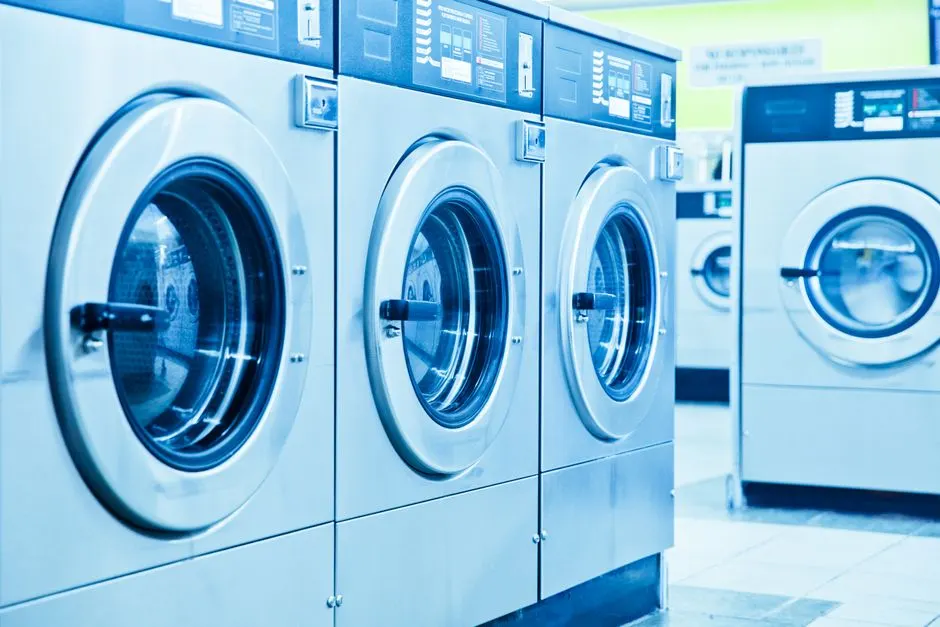
Row of industrial washing machines in a contemporary laundromat.
Licensed Licensed & Bonded
Fully Insured Insured & Bonded
24/7 Emergency Same-Day Response
Warranty Backed Workmanship Guaranteed

What High-Efficiency Washer Service Includes

High-Efficiency Washer Repair in Texas includes symptom diagnosis, targeted component testing, approved repair work, and an operating check. We focus on the washer systems tied to your complaint and explain any additional fault found before doing more work. Installation changes, unrelated appliance repairs, and replacement decisions are handled as separate services when needed.

Cycle and Code Diagnosis

We document the displayed code and identify where the washer stops: fill, wash, drain, or spin. A model-specific diagnostic path helps us avoid clearing the code without addressing its cause. We test the related system and explain the finding in everyday language.
Water Path Inspection

We inspect washer inlet hoses, the drain hose, the inlet valve, and accessible filter areas when water flow or drainage is involved. We look for kinks, restrictions, loose connections, and signs of leakage, then test the water path after the repair.

Mechanical and Electrical Checks

When vibration, noise, or a failed start is reported, we check the relevant suspension, drive, interlock, and electrical components. We isolate power before handling electrical parts and use measured tests to distinguish a failed component from a loose connection or load issue.

Repair Verification

After approved work, we run the washer through the function related to the fault and check for leaks, unusual sounds, and returning codes. You see the result before the visit ends, along with practical care steps such as correct detergent dosing or load balancing.

High-Efficiency Washer Repair in Texas


High-Efficiency Washer Repair in Texas is an appliance repair service that diagnoses and fixes faults affecting the water use, wash action, draining, and spin performance of HE washers. These machines use load sensing and lower water levels, so a clogged filter, worn drain pump, failed water inlet valve, or control fault can interrupt the entire cycle. We inspect the symptom, test the relevant circuit and water path, and verify the machine through a complete rinse and spin. The goal is a sound repair, not a guessed parts swap.

Texas homes bring different washer-room conditions: humid Gulf Coast air can encourage musty odors, hard-water deposits can restrict inlet screens, and winter cold snaps can expose hoses in garages or utility rooms. Our Texas high-efficiency washer repair starts with the actual symptom, whether your washer is not draining, shaking on spin, or leaving a door boot seal damp. For a high-efficiency washer repair service for Texas homeowners, we check loading, detergent use, leveling, and components so the fix addresses the cause rather than just clearing a code.

What to Expect During Service

High-Efficiency Washer Repair in Texas follows a clear sequence: symptom review, testing, repair, and an operating check. Tell us the model, displayed code, and what happens during the cycle; that detail helps us bring the right approach to your home.

01

Schedule

Call or book online — a real human picks up and confirms a 2-hour arrival window.

02

Diagnose

Licensed tech inspects on-site, then walks you through the cause and your options.

03

Fix

The job is completed to code and done right the first time — no shortcuts, no surprises.

04

Guarantee

Every job backed by a written workmanship warranty — and we stand behind it.

Tools and Repair Methods

Tools & Equipment

Multimeter

We use a multimeter to check continuity, resistance, and appropriate voltage at washer components after safe isolation. The readings help separate a failed part from a wiring or connection problem.

Clamp meter

A clamp meter measures current without cutting into a conductor. We use it when a motor or pump symptom calls for a current check, then compare the result with the diagnostic information for that model.

Socket and nut-driver set

This set allows controlled removal of panels, brackets, and fasteners during component access. The correct fit reduces the chance of rounding fasteners or damaging the surrounding cabinet.

Washer drain pump filter tool

We use the washer drain pump filter tool where the design calls for controlled filter access. It helps manage trapped debris and residual water while we inspect a drainage complaint.

Spirit level

A spirit level checks whether the washer cabinet is stable from side to side and front to back. Correct leveling helps reduce avoidable vibration and supports a more consistent spin.

Methods & Standards

Symptom-to-system diagnosis

We map the point where the cycle fails to the systems involved: water supply, wash action, drainage, spin, or control. Then we test the likely causes instead of replacing parts based only on a code. You hear what we found and why the recommended repair addresses the symptom.

Electrical isolation and measured testing

Before electrical components are handled, we isolate the washer from power and follow safe work practices. We use measured checks on relevant circuits and connectors, then compare results with model-specific service information. This approach supports accurate diagnosis and safe reassembly.

Installation and leak verification

For work involving water connections, we inspect hose routing, clamps, and supply connections, then observe the washer during fill and drain. Installation work follows local plumbing and electrical code requirements applicable to that work. We do not treat a dry cabinet at rest as proof that a connection is sound.

Load and vibration assessment

We consider load size, distribution, floor stability, and washer leveling when a machine shakes or stops during spin. If balancing and leveling do not resolve the issue, we inspect suspension components. A test cycle confirms whether the repair corrected the vibration under operating conditions.

When to Schedule HE Washer Service

01

Your washer repeatedly pauses before draining, leaves water behind, or displays a drain-related error.

What we do: Call us before repeated restarts strain the pump. We inspect the drain hose and filter, test the pump and controls, and clear an obstruction or replace a failed part as the evidence indicates. If water is standing in the drum, tell us before the visit so we can plan safe access.

→ The washer drains through the test cycle, the error is checked, and you can return laundry to a normal routine without guessing at the cause.

02

A winter cold snap leaves a washer in an unheated garage with a supply hose that may have frozen.

What we do: We check for leaks, hose damage, and restricted water flow before running a cycle. We inspect the inlet connection and valve, then restore safe operation once the water path is clear. If a hose has split, we replace it and test the connection under fill conditions.

→ You get a checked water supply and a washer tested for leaks before another full load runs through the machine.

03

A humid utility room has a musty washer smell that returns even after wiping the drum.

What we do: We inspect the door boot seal and drainage areas for trapped residue, standing water, or a component fault. We explain the cleaning steps that suit the model, including use of detergent and washer-cleaning tablets as directed by the manufacturer. If a drain issue contributes to the odor, we repair that cause.

→ You know whether the odor comes from upkeep or a repairable fault, and the washer's drain and seal areas are checked.

04

A washer in a tight closet or stacked laundry space will not start or makes a new grinding sound.

What we do: We assess access and installation stability before moving equipment. Then we check the interlock, drive system, and relevant electrical connections based on the symptom. We protect nearby surfaces, complete the approved repair, and test the washer without disturbing the dryer unless access requires it.

→ You get a diagnosed fault and a tested washer, with the surrounding laundry setup left secure and usable.

How Texas Conditions Shape Washer Service

High-Efficiency Washer Repair in Texas has to account for the laundry space as well as the appliance. Gulf Coast humidity around Baytown and Lake Jackson can make trapped moisture and musty odors more noticeable, while hard-water deposits in parts of the state can gradually restrict inlet screens. During November and winter cold snaps, washers in garages or exterior utility rooms deserve a hose and connection check before another full cycle. Hot weather also makes ventilation and prompt door-seal drying useful for reducing stale odors. We see washers installed in older utility rooms, newer closet laundry spaces, and stacked apartments or homes where access is tight. That affects how we reach a filter, move the machine, and protect flooring. If your washer is shaking, we check the floor and level before condemning suspension parts; if it leaks, we watch the connection during a fill. Texas high-efficiency washer repair also respects local plumbing and electrical code requirements when installation work is involved. We serve metro and regional communities, including Austin, Seguin, and Longview, and tailor the diagnostic plan to the model and conditions in your home.

Neighborhoods We Serve

  • Brushy Creek

    Closet and utility-room installations can limit filter access. We check the clear working space and hose routing before moving the washer, then test drainage without stressing nearby cabinetry.

  • Cinco Ranch

    A washer in a second-floor laundry area needs careful leak checks. We inspect supply and drain connections and watch the fill and drain stages so a small seep does not go unnoticed.

  • Bellaire

    Compact laundry spaces can make a stacked setup difficult to access. We plan the panel and hose inspection around the installation and protect adjacent finishes during service.

  • Timberwood Park

    Garage and utility-room washers may face wider temperature swings. We inspect exposed hoses and supply connections when a cold snap or unusual fill behavior is part of the complaint.

Local Conditions We Plan For

  • Humid air encourages lingering moisture around door seals

    A damp door boot seal and detergent residue can contribute to mildew odors, especially when the door stays closed between loads. We inspect the seal and drainage area, then distinguish routine cleaning needs from a trapped-water or drain fault.

  • Cold snaps expose hoses in garages and exterior utility rooms

    A frozen or cracked hose can restrict filling or leak when temperatures rise. We inspect supply lines and connections before a full cycle, replacing damaged parts and confirming the water path holds during operation.

  • Tight closets and stacked machines restrict repair access

    Limited clearance can affect how a washer is safely moved and which components are reachable. We assess access first, use appropriate handling equipment when needed, and avoid pulling against hoses or cabinet edges.

Drain Fault and Soaked Laundry

Before

A front-load HE washer stopped near the end of the cycle with water still visible in the drum. Towels came out heavy, the drain code returned after each restart, and the owner was unsure whether the pump or control had failed. Repeated attempts were adding time without removing the water.

After

We found a restricted drain path and addressed the fault indicated by testing. The washer completed a drain and spin check, emptied the drum, and showed no returning code during the test. The customer could remove the wet load and use the next cycle without manually bailing water.

Maintenance: Check accessible filter guidance in the owner's manual and keep small items out of pockets. Use the right detergent dose, and call if water remains after a cycle rather than repeatedly forcing another spin.

Before

A washer in a utility room rocked during spin and stopped with an unbalanced-load message. The machine was slightly out of level, and the household had been redistributing each load by hand. The repeated stopping made ordinary laundry take nearly twice as long.

After

We checked the cabinet position, adjusted the feet, and tested the suspension because vibration continued after leveling. The test load completed its spin without the washer walking forward or triggering the same message. The customer had a clear loading and leveling check for future cycles.

Maintenance: Keep loads mixed rather than washing one heavy item alone, and leave the washer on a firm, level surface. If shaking returns after a move or floor work, arrange a level and suspension check.

Before

A slow drip appeared behind the washer after the fill stage, leaving a damp patch that spread toward stored laundry supplies. The connection looked tight at rest, so the leak was difficult to locate. The customer stopped using the machine to avoid water reaching the floor.

After

We observed the fill operation and traced the leak to a hose connection, then corrected the connection and checked the hose condition. A fill-and-drain test ran without visible seepage. The floor remained dry through the full check, and the customer could resume washing.

Maintenance: Look behind the washer periodically for moisture and avoid pushing the cabinet hard against hoses. If a new drip appears, stop the cycle and shut off the supply valves until the connection is inspected.

Fixes for Common HE Washer Problems

High-efficiency washing machine troubleshooting and repair in Texas starts by matching the symptom to the system that controls it. A washer that will not drain needs a different test from one that shakes, leaks, or fails to fill. We trace the problem, repair the cause, and confirm the machine works under the same conditions that exposed the fault.

Problem

Washer stops with water in the drum after the final rinse

Standing water traps laundry, can keep a door locked, and leaves damp odors in the drum. Repeatedly restarting the cycle can strain a pump that is already restricted.

Our Fix

We inspect the drain hose and accessible filter, then test pump operation and the related control response. If a blockage is responsible, we clear it; if the pump has failed, we explain the replacement. We finish with a drain and spin test so you know water is leaving the washer properly.

Problem

Clothes come out wet after a normal wash and spin cycle

Wet laundry takes longer to dry and can develop a musty smell if left in the drum. Repeated spin attempts also waste time and may worsen an unbalanced-load or mechanical problem.

Our Fix

We check whether water remains, review load balance, and inspect the suspension and spin system as indicated. We also look for excess suds that interfere with rinsing. Once the fault is corrected, we test a spin function and confirm the washer extracts water more effectively.

Problem

Water leaks near the front door or behind the washer

A slow leak can damage flooring, baseboards, or nearby storage before it becomes obvious. Water around an electrical appliance also needs prompt attention.

Our Fix

We locate the leak while checking the door boot seal, hose connections, and water path. We repair or secure the source, then run a fill and drain check while watching the connection points. If water is actively escaping, stop the cycle and shut off the supply valves before service.

Problem

Washer shakes, bangs, or displays a balance error

Repeated hard vibration can move the washer, stress nearby hoses, and interrupt the spin cycle. A machine that is not level can turn ordinary loads into repeated stops.

Our Fix

We inspect the washer's position, leveling, load behavior, and suspension components. A spirit level helps verify the cabinet is stable; we then check for worn suspension parts if adjustment does not resolve the symptom. The final test uses a suitable load to confirm steadier operation.

Repairs That Protect Your Routine

Repairs That Protect Your Routine

A broken washer costs time, adds laundry to your week, and can put water on the floor. We focus on finding the fault quickly, explaining the repair plainly, and checking the machine under operating conditions before we leave. You get practical next steps, not vague promises.

  • Accurate Fault Diagnosis

    We reproduce the problem and test the parts connected to it instead of replacing components by guesswork. A multimeter helps check electrical continuity, while a clamp meter can reveal motor or pump current issues. That measured approach narrows down washer not draining, a failed start, or a spin fault and helps avoid paying for parts that still work.

  • A Complete Cycle Check

    After the repair, we run the washer through the relevant fill, wash, drain, and spin functions. We check for leaks at washer inlet hoses and the drain hose, then confirm the load moves without excessive vibration. A successful test gives you a clear result before laundry goes back into the normal routine.

  • Care for HE Components

    HE washers use sensors and controlled water levels that respond differently from older machines. Our inspection includes the water inlet valve, drain pump, filter, and door boot seal when symptoms point there. We also look for excessive suds and detergent residue, which can trigger an error or leave clothes wetter than expected.

  • Useful Repair Options

    If a part is worn, we explain what it does and what the repair changes. We compare the repair with the washer's condition and likely next needs, so you can decide whether to fix it or consider replacement. Affordable high-efficiency washer repair starts with targeting the failed component, not adding unrelated work.

Safe, Verifiable Repair Practices

Licensed & Certified

  • OSHA workplace safety standards — issued by Occupational Safety and Health Administration
  • UL electrical safety standards for listed appliance components — issued by UL Solutions
  • Manufacturer-specific appliance service training — issued by Applicable appliance manufacturers
  • EPA Section 608 certification for regulated refrigerant handling in applicable appliances — issued by U.S. Environmental Protection Agency

Verified Reviews

Customer feedback Not stated

A homeowner in Austin reported that a washer stopped draining with water in the drum. Our technician checked the filter and pump, explained the cause, and ran a drain test after the repair. The customer confirmed the next load completed without standing water.

Customer feedback Not stated

A Baytown customer described heavy vibration during spin. We checked leveling and suspension, corrected the issue, and verified the washer with a test load. The machine stayed in place and ran more quietly afterward.

Customer feedback Not stated

A Waco homeowner called about a recurring drain code and wet clothes. We traced the fault, completed the approved repair, and checked for leaks during a drain-and-spin test. The washer finished the test cycle without the same code returning.

Practical HE Washer Expertise

High-efficiency washers combine water-level sensing, electronic controls, pumps, seals, and mechanical suspension. Our local experience is built around diagnosing those systems across Texas homes, from a compact closet installation to a laundry room with a floor drain. We follow manufacturer-specific appliance service training where applicable and use safe electrical work practices aligned with OSHA workplace safety standards and UL electrical safety standards for listed appliance components. We do not claim a business tenure or credential number we cannot substantiate; we show you the fault we find and the test that confirms the repair.

  • We diagnose Whirlpool, Maytag, GE Appliances, LG, Samsung, Frigidaire, Bosch, and Electrolux washers using model-specific service information.
  • Electrical checks use a multimeter and safe isolation practices before components or connectors are handled.
  • We inspect drain paths, inlet screens, suspension, door seals, and load balance according to the reported symptom.
  • Installation-related work follows local plumbing and electrical code requirements applicable to the work performed.
  • EPA Section 608 certification applies to regulated refrigerant handling in applicable appliances; standard washer repairs do not involve refrigerant.
Get Started Today
Practical HE Washer Expertise

Cities We Serve Across Texas

Our high-efficiency washer service covers Texas communities from large metro areas to regional cities, with the repair plan shaped by your washer, home layout, and local conditions. We provide Texas high-efficiency washer repair for drainage, spin, leak, and control faults in the cities below. Tell us where the washer is installed and what it does; that information helps us prepare for the right diagnostic approach.

Austin

In Austin, we diagnose HE washer codes, drain faults, and spin problems in homes with both utility rooms and compact laundry closets. We test the affected cycle before wrapping up.

Laredo

For Laredo homeowners, we check filling, drainage, leaks, and vibration symptoms by tracing each fault to its component. We confirm the washer completes the relevant function after repair.

Waco

In Waco, we handle wet-load complaints, drain codes, and washers that stop mid-cycle. Testing the pump, hose path, and spin system helps identify the cause before parts are changed.

Abilene

Abilene service includes checking washer supply connections and exposed hoses when filling or leaking is the complaint. We run a water-path test after repair to verify the connection.

Longview

We serve Longview households with diagnosis for musty odors, drainage trouble, excessive vibration, and control faults. The inspection focuses on the reported symptom and the washer's model.

Baytown

In Baytown, humid laundry spaces can leave moisture around seals. We inspect the door boot seal and drainage areas when odors or leaks appear, then verify the washer's operation.

North Richland Hills

Our North Richland Hills visits cover HE washers that fail to spin, fill, or drain. We test the related parts and check leveling when vibration or balance errors interrupt a cycle.

Little Elm

Little Elm homeowners can get help with error codes, leaks, and washers that stop before the final spin. We check the model-specific system and verify the repair under operation.

Waxahachie

In Waxahachie, we diagnose drainage and fill problems as well as leaks at accessible hose connections. A fill-and-drain check confirms water moves through the washer correctly.

Midlothian

Midlothian service includes inspection of unbalanced loads, vibration, and worn suspension symptoms. We check the washer's level and test a suitable cycle after making the repair.

Timberwood Park

We check exposed supply hoses and water-flow symptoms for Timberwood Park washers, especially when the appliance is in a garage or utility space. Repairs are followed by a leak check.

Seguin

In Seguin, we troubleshoot HE washers that leave clothes wet, stop with water inside, or show a recurring code. We verify drainage and spin function after the work.

Lake Jackson

Lake Jackson homeowners can call for washer leaks, musty odors, or failed drain cycles. We inspect seals and water paths, then run the washer to confirm the issue is addressed.

Saginaw

For Saginaw homes, we diagnose shaking, failed starts, and incomplete cycles by testing the affected mechanical or electrical system. We check the final operation before leaving.

Big Spring

Our Big Spring service covers washer fill, drain, spin, and control symptoms. We identify the fault, explain the repair, and test the related cycle so you can use the machine again.

Questions Texas Washer Owners Ask

Real answers to the questions we hear most often from local homeowners and property managers.

How much does high-efficiency washer repair cost in Texas?
Most HE washer repairs cost $150-$550 in 2026, with the final amount depending on the failed part, access, and labor time. A drain obstruction or hose repair is usually less involved than a control board or major mechanical repair. We diagnose the washer, explain the recommended work, and give you the price upfront. If the repair approaches the washer's replacement value, we will help you compare the options.
Who repairs HE washing machines in Texas?
Texas Washer Repair handles HE washing machine repair in Texas for homeowners with draining, spinning, filling, leak, vibration, and control problems. We service common brands including Whirlpool, Maytag, GE Appliances, LG, Samsung, Frigidaire, Bosch, and Electrolux. Share the model number and symptom when you call +12813266478; that helps us prepare for the right diagnostic path and parts questions.
Why is my high-efficiency washer leaving clothes wet?
Wet clothes usually point to incomplete draining, a load that cannot balance, a spin fault, or excess suds. First, check whether water remains in the drum and whether the load is a single bulky item; do not force the door open if water is present. We inspect the drain pump, filter, suspension, and control response, then run a spin test to identify the cause.
Can an HE washer repair technician fix excessive suds or error codes?
Yes, we trace excessive suds and error codes to detergent use, drainage restrictions, sensor readings, wiring, or a failed component. Use detergent labeled for HE washers and avoid adding more than the product instructions specify; excess detergent can reduce rinsing and interfere with spinning. We record the code, test the related system, make the repair, and confirm the code does not return during the relevant cycle.

Related Washer Services

Washing Machine Repair

For a washer problem outside a clearly identified HE fault, our general washing machine service covers diagnosis of leaks, noise, failed starts, and cycle interruptions. We test the system involved, explain the repair, and verify operation so you get a clear path from symptom to working laundry.

View Washing Machine Repair

Front-Load Washer Repair

Front-load models rely on a tight door boot seal, controlled drainage, and balanced spinning. We inspect the seal, pump filter, and suspension when water remains, odors build up, or the washer shakes. This service complements HE repair when the design and symptom both matter.

View Front-Load Washer Repair

Top-Load Washer Repair

Top-load HE washers can develop filling, sensing, agitation, and spin problems. We test the lid lock, water supply, drive system, and controls based on the symptoms rather than assuming every cycle fault has the same cause. The repair ends with a functional check.

View Top-Load Washer Repair

Stackable Washer Repair

A stacked laundry setup can make access to hoses, filters, and panels more difficult. We assess the installation before moving equipment and use an appliance dolly when needed. Repair focuses on the washer fault while protecting the surrounding dryer, cabinetry, and floor.

View Stackable Washer Repair

Washer-Dryer Combo Repair

Combo units combine wash and dry functions in a compact cabinet, so a drain or control fault can interrupt the whole laundry sequence. We isolate the washer-side symptom, inspect its water and drain path, and test the cycle after repair to confirm the unit advances properly.

View Washer-Dryer Combo Repair

Washer Installation

A correctly installed HE washer needs secure washer inlet hoses, a properly routed drain hose, and a stable, level base. We check connections and leveling during installation work, then run a fill and drain test. Code requirements applicable to installation work are observed.

View Washer Installation

Book High-Efficiency Washer Repair in Texas

A washer that will not drain or spin should not sit full of water. Call Texas Washer Repair at +12813266478 with your model and symptom; we will help you arrange the next step. We provide upfront pricing before approved repair work.

Call Now Book Washer Repair

Contact Texas Washer Repair

Call Texas Washer Repair at +12813266478 and tell us your location, washer brand, and what has stopped working. We connect callers with independent companies serving communities across Texas. Calls are routed during regular business hours, and urgent requests can be shared with local providers that accept after-hours calls.

Or call us right now at +12813266478 — we answer.

Texas Washer Repair


  • Phone

    +12813266478
  • Address

    Texas

  • Hours

    Mon–Fri: 7AM – 7PM
    Sat: 8AM – 4PM
    Sun: Emergency Only
    24/7 Emergency Available

Call +12813266478 Get Quote
Call Quote