Logo
Get Estimate

Top-Load Washer Repair in Texas That Gets Loads Moving

Practical repairs for busy households across Texas


Top-Load Washer Repair in Texas helps homeowners and renters resolve washer not draining, washer not spinning, leaks, and noisy cycles before laundry piles up. Our team diagnoses common top-load models and completes top-loading washing machine repair in Texas with tested parts and a full cycle check. From a washer that will not fill to a lid that will not unlock, we focus on the fault affecting your machine and explain the next step plainly.

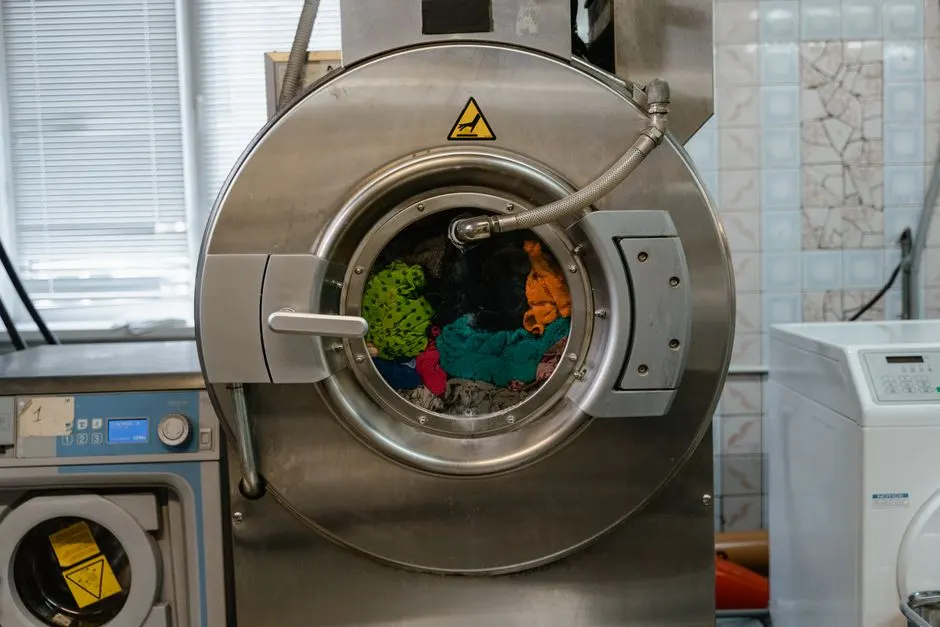
A close-up of an industrial washing machine operating in a laundry facility.
Licensed Licensed & Bonded
Fully Insured Insured & Bonded
24/7 Emergency Same-Day Response
Warranty Backed Workmanship Guaranteed

What's Included in Top-Load Service

Top-load service covers symptom review, targeted component testing, the agreed repair, and a functional check of the affected cycle. We inspect connected water and drain points when they relate to the fault, then explain what changed. A part order or a separate installation task is discussed as a distinct next step when the diagnosis requires it.

Cycle And Fault Diagnosis

We review the complaint and test the relevant functions, including fill, agitation, drain, and spin. Error codes and control-board faults are considered alongside physical symptoms. This narrows the repair to the cause rather than treating a warning light or unusual noise as a complete diagnosis.
Component Repair

Depending on the findings, repair may involve a drain pump, drive belt, water inlet valve, suspension rods, or a related connection. We select parts suited to the washer model and verify that the repaired function operates. The recommended work stays tied to the symptom and test results.

Leak And Drain Checks

When water is present around the machine or left in the tub, we inspect the washer inlet hoses and drain hose for visible damage, blockage, or loose connections. We run the appropriate water test after service and check the floor area for renewed leakage before finishing.

Post-Repair Operation Test

We test the cycle related to the repair and observe whether the washer completes its function without abnormal noise or excessive vibration. You get a direct explanation of the result and practical care guidance, including how detergent use and load balance affect odors and spin performance.

Top-Load Washer Repair in Texas Explained


Top-Load Washer Repair in Texas is an appliance repair service that diagnoses and fixes mechanical, electrical, and water-flow faults in top-loading washers. We inspect the symptom, check the relevant components, and test the machine after the repair rather than swapping parts by guesswork. A visit can involve a water inlet valve, drain pump, drive belt, suspension rods, or control fault, depending on the model and failure. You get a clear explanation of what stopped the cycle and what we did to restore it.

Texas households put washers through heavy use, while hard water, lint, detergent residue, and summer humidity can aggravate wear or odors. In coastal homes, moisture and salt air can contribute to corrosion around exposed connections; in colder north and inland areas, an unheated laundry space can bring frozen supply lines during a hard freeze. Our Texas top-load washer repair addresses the actual cause, including a top-load washer repair service for Texas homes with repeated vibration, slow draining, or a tub that stays full.

What to Expect During Service

Top-load washer service Texas follows a direct sequence: identify the symptom, verify the failure, repair the cause, and test the result. We ask what happened and when it began, then work through the machine without replacing parts on a hunch. Most straightforward repairs take about 1 to 3 hours after diagnosis; a more involved repair or part order can extend the timeline.

01

Schedule

Call or book online — a real human picks up and confirms a 2-hour arrival window.

02

Diagnose

Licensed tech inspects on-site, then walks you through the cause and your options.

03

Fix

The job is completed to code and done right the first time — no shortcuts, no surprises.

04

Guarantee

Every job backed by a written workmanship warranty — and we stand behind it.

Tools and Repair Methods

Tools & Equipment

Multimeter

We use a multimeter to test electrical continuity and relevant component circuits after isolating power, helping distinguish a failed part from a loose connection or interrupted signal.

Clamp Meter

A clamp meter measures current draw without disconnecting conductors where the test procedure allows. We use readings alongside other checks to assess how a washer component responds during operation.

Socket and Nut-Driver Set

This set helps remove service panels and fasteners with a proper fit. Using the right driver reduces the chance of stripping a fastener or damaging the cabinet during access.

Hose-Clamp Pliers

We use hose-clamp pliers to release and refit spring clamps during appropriate hose or pump access. Controlled handling helps keep a serviceable hose and clamp from being damaged.

Appliance Dolly

An appliance dolly helps move a washer carefully when service access requires repositioning. We protect the work area and manage the machine's weight to reduce risk to flooring and connected lines.

Spirit Level

We use a spirit level to check whether the washer sits evenly. Correct leveling helps reduce excessive vibration, walking, and repeated spin interruptions caused by an unstable setup.

Methods & Standards

Symptom-to-Component Testing

We connect the reported symptom to the washer's operating sequence, then test the components involved. A machine that fills but will not drain gets a different test path from one that never starts. That keeps the diagnosis grounded in observed behavior rather than a guessed part.

Electrical Isolation and Verification

Before accessing electrical components, we isolate power and use suitable test equipment. We check the circuit and component according to the model's service procedure, then restore power only when panels and connections are secure. Listed replacement components are selected with UL electrical safety standards in mind.

Water-Path Leak Check

We inspect supply and drain connections, then run water through the relevant part of the cycle to look for seepage under operating conditions. If installation work changes a connection, we follow applicable local plumbing and electrical code requirements and verify the finished setup.

Load and Spin Observation

For vibration or no-spin complaints, we observe the tub through the spin sequence and assess load balance, level, and suspension behavior. We avoid treating every shake as a failed part; the washer's response helps identify whether adjustment, loading changes, or component repair is required.

When to Call for Top-Load Service

01

Your washer fills but the agitator remains still and the cycle ends with dirty clothes.

What we do: We check whether the lid signal, drive components, or control sequence is interrupting agitation. Our technician compares the washer's behavior through the cycle and tests the relevant parts before recommending a repair. If the tub is packed tightly, we also identify whether load balance is contributing to the symptom.

→ You get a clear cause and a targeted repair path, with the agitation function tested before we finish.

02

A washer leaves a puddle after each load, especially after a high-speed spin.

What we do: We inspect the hose connections, drain route, and visible water path to identify where the leak begins. The technician runs a controlled fill and drain check after repair, because a connection that looks dry while idle can still leak under flow or vibration.

→ The source is addressed and the washer is checked under operation, helping protect floors and nearby storage.

03

Your washer will not start after a power interruption or displays a repeating error code.

What we do: We review the code and symptom, check the basic power and lid conditions, and test the components involved in the start sequence. A reset alone does not prove the fault is fixed, so we verify the washer advances into the cycle before wrapping up.

→ You learn whether the issue is a simple operating condition or a component fault that needs repair.

04

A washer in an unheated laundry room stops filling during a hard winter freeze.

What we do: We check whether the supply line or inlet path is obstructed by freezing, then inspect for cracking or leakage once water flow returns. We do not force frozen connections. After conditions are safe, we verify fill and watch the hose connections for signs of damage.

→ You avoid stressing a frozen line and get the washer's water supply checked before returning to normal loads.

How Service Works Across Texas

Texas top-load washer repair has to account for very different laundry conditions across a large state. In humid coastal communities, damp rooms can worsen musty odors and surface corrosion; in inland regions, mineral-heavy water can leave deposits around water paths over time. Summer heat can make laundry areas uncomfortable and accelerate the effects of moisture, while November through winter brings occasional hard freezes that threaten exposed supply lines in unheated spaces. We ask where the washer sits and what changed before it failed, then tailor the inspection to that setting. For top-loading washing machine repair in Texas, we check the home's supply and drain arrangement as well as the appliance itself. If connections are altered during installation work, we follow applicable local plumbing and electrical code requirements. Our regional coverage connects service routes across large metros and smaller communities, so you can report your city, model, and symptom before the visit. That detail helps us plan access and bring the right diagnostic approach.

Neighborhoods We Serve

  • Leon Valley

    Compact laundry rooms and close-set utility connections can limit access. We check clearances before moving the machine and protect the water lines while opening the service area.

  • Steiner Ranch

    Homes with dedicated laundry rooms still need a level, stable washer base. We check spin movement and hose slack so vibration does not pull on a connection.

  • Hornsby Bend

    Laundry spaces near garages or exterior walls can be more exposed to temperature swings. We inspect supply lines and look for signs of moisture or freeze-related damage.

  • Fair Oaks Ranch

    When a washer sits on a finished floor, a small recurring leak can be costly. We run the relevant water test and check the floor area before completing service.

Local Conditions We Plan For

  • High humidity keeps laundry rooms damp through long stretches of the year

    Moisture can encourage musty odors and mildew buildup when a washer stays closed between loads. We inspect for standing water and drainage problems, then explain cleaning and drying habits that reduce residue without masking a mechanical fault.

  • Hard freezes expose supply lines in garages and unheated utility spaces

    A frozen line can restrict fill or crack as it thaws, creating a leak after the washer appears to work again. We check the water path and hose connections after flow returns, then confirm fill and inspect for seepage.

  • Coastal air and frequent moisture affect exposed metal and connections

    In coastal locations such as Galveston and Texas City, moisture can make corrosion around exposed fittings more likely. We inspect the connection points relevant to the complaint and test the washer under water flow rather than relying only on a dry visual check.

Restoring a Reliable Drain Cycle

Before

A household reported a tub full of rinse water and clothes too wet to move directly to drying. Restarting the cycle did not help, and the washer stopped before spin. The family was concerned that repeated attempts would push water onto the laundry-room floor.

After

We traced the failure to the drain path, corrected the fault, and ran a drain and spin check. The tub emptied during the test, and the washer advanced into spin without leaving water behind. The customer could return to normal loads instead of manually removing standing water.

Maintenance: Check the drain hose for kinks after moving nearby storage and avoid washing items that shed heavy lint without an appropriate laundry bag. If drainage slows again, stop repeated restarts and report whether the tub empties at all.

Before

During spin, the washer rocked hard enough to shift from its usual position and knock against nearby items. The owner had already tried smaller loads, but the tub still moved on ordinary laundry. The repeated vibration raised concern about hose strain and floor damage.

After

We checked the base, leveling, and suspension behavior, then corrected the cause found during inspection. A follow-up spin observation showed the cabinet staying in place through the test. The hoses remained connected without tension, and the washer no longer struck the items beside it.

Maintenance: Keep the washer on a firm, level surface and distribute large items around the tub rather than piling them on one side. Recheck the load if vibration begins suddenly, and call if the machine continues walking with a balanced load.

Before

A small puddle appeared near the rear of the washer after several loads, but the area looked dry between cycles. The leak was easy to miss until water spread beneath a storage shelf. The homeowner wanted the source identified before the next full laundry day.

After

We inspected the inlet and drain connections, found the leaking point, and corrected it. A controlled fill and drain test left the floor dry, including while the washer moved through the relevant cycle. The owner could see the repair result before we wrapped up.

Maintenance: Leave enough space behind the washer to avoid crushing hoses when the machine is pushed back. Look for bulges, cracking, or fresh moisture at connections during routine cleaning, and address any renewed leak promptly.

Fixing Common Top-Load Washer Faults

A top-loader often gives clear signs before it stops completely: a full tub that will not drain, a harsh spin, or water on the floor. We trace those symptoms to the part or condition causing them, then test the washer after repair. Prompt attention can limit water exposure and prevent repeated failed cycles.

Problem

Washer stops with standing water after the final rinse

Wet laundry becomes heavy and begins to smell if it sits for hours; repeated attempts can strain the pump or leave water near the floor and nearby cabinets.

Our Fix

We inspect the drain hose and accessible filter, then test the pump and its electrical connection. If a blockage is responsible, we clear the flow path and verify drainage; if the pump has failed, we fit a compatible replacement and run a drain test before leaving.

Problem

Top-load washer shakes hard and walks during spin

Repeated movement can pull on hoses, mark flooring, and increase noise through walls or cabinets. A washer that cannot balance may stop before the load is properly spun.

Our Fix

We check the washer's level, load-related signs, and suspension components to separate a simple setup issue from worn parts. After correcting the cause, we observe a spin cycle and check that the tub settles without the same excessive movement.

Problem

Washer fills slowly or will not take in water

A cycle may pause, fail to start properly, or run far longer than expected. Continuing to restart it can waste time and leave the laundry schedule behind.

Our Fix

We check the supply connections, water inlet valve, and the washer's response during fill. A restricted connection and a faulty valve require different fixes, so we test before replacing a component. We then confirm that the tub fills and the cycle advances normally.

Problem

Musty odor returns despite regular laundry cycles

Residue and mildew buildup can leave clothes smelling stale and may coat the tub or detergent area. Excess product and frequent low-temperature cycles can make the odor harder to remove.

Our Fix

We check for drainage issues and visible residue that may be holding moisture, then address any mechanical fault contributing to standing water. We explain how detergent and washer-cleaning tablets fit the manufacturer's cleaning directions, and how leaving the lid open between loads helps the tub dry.

Repairs That Restore Daily Laundry

Repairs That Restore Daily Laundry

A working washer saves more than time: it prevents wet laundry from sitting, limits water damage, and avoids hauling loads elsewhere. We trace the fault, repair the relevant component, and test core functions before wrapping up. You get practical answers about what failed and what to watch for next.

  • Less Waiting on Laundry

    A failed washer can turn one routine load into a week of catch-up. We check the cycle sequence, water entry, agitation, and spin so the repair addresses the reason the load stopped. When parts are on hand and the diagnosis is straightforward, a same-day visit can return your washer to service without replacing the whole appliance.

  • Repair Based on Diagnosis

    We do not treat every loud spin or standing-water complaint as the same fault. A measured diagnosis separates a blocked drain path from a failed pump, and a suspension problem from an unbalanced load. That approach helps keep affordable top-load washing machine repair focused on the part and labor your machine actually needs.

  • Safer Water Connections

    A slow leak behind a washer can soak flooring and spread into nearby cabinets. We inspect washer inlet hoses and the drain hose, then check the connection and run a fill-and-drain test. If installation work is needed, we follow applicable local plumbing and electrical code requirements rather than leaving a loose connection behind.

  • A Clear Test Before We Leave

    After the repair, we run the relevant operating checks: fill, agitation, drain, and spin, as the fault requires. We look for unusual movement, noise, and renewed leakage. You can see whether the washer completes the problem cycle, and we explain simple loading or cleaning habits that help prevent a repeat.

Safety and Service Standards

Licensed & Certified

  • Manufacturer-Specific Appliance Service Training — issued by Appliance manufacturer training programs
  • OSHA Workplace Safety Standards — issued by Occupational Safety and Health Administration
  • EPA Section 608 Certification — issued by U.S. Environmental Protection Agency
  • UL Electrical Safety Standards for Listed Components — issued by UL Solutions

Verified Reviews

Customer feedback Not stated

A customer in San Antonio reported a top-load washer that filled but would not spin. The technician checked drainage before replacing a part, then tested the spin cycle and confirmed the tub emptied. The customer appreciated that the repair addressed the cause instead of relying on a reset.

Customer feedback Not stated

A Galveston homeowner described water appearing behind the washer after each load. The team checked the supply and drain connections, corrected the leak, and ran a fill-and-drain test. The floor stayed dry during the test, and the homeowner received a clear explanation of the source.

Customer feedback Not stated

A Killeen resident called about excessive shaking during spin. The technician checked the level and suspension rather than assuming the load was the only issue, then observed the washer after the adjustment. The machine stayed steady, and the customer received practical guidance on balancing bulky loads.

Hands-On Washer Expertise

Our technicians work across common top-load designs from Whirlpool, Maytag, GE Appliances, LG, Samsung, Frigidaire, Bosch, and Electrolux. We use manufacturer-specific appliance service training and model information to guide diagnosis, because similar symptoms can come from different components. We do not claim a fixed number of years or completed jobs; instead, we focus on the measurable fault in front of us. Washer work also requires careful electrical isolation, controlled water testing, and attention to applicable installation codes when a connection is changed.

  • We identify whether a no-spin complaint points to a lid interlock, drive fault, drain problem, or an overloaded tub before selecting a repair.
  • We use manufacturer-specific appliance service training to follow model procedures and avoid forcing clips, panels, or electrical connectors.
  • We follow OSHA workplace safety standards while moving equipment, controlling water, and keeping the laundry area clear during service.
  • We check UL electrical safety standards for listed appliance components when selecting replacement electrical parts for the repair.
  • EPA Section 608 certification applies to technicians handling regulated refrigerants in applicable appliances; it is not a washer-repair credential.
Get Started Today
Hands-On Washer Expertise

Cities We Serve Across Texas

Our Top-Load Washer Repair coverage connects households in metro areas, coastal communities, and regional towns across Texas. We route service to the cities below and surrounding areas, with the inspection shaped by your washer model, symptom, and laundry-room setup. If you need Texas top-load washer repair, share your location and whether the machine leaks, drains, agitates, or spins; that gives our team useful details before the visit.

San Antonio

In San Antonio, we diagnose top-load washers that leak, fail to drain, or shake through spin, then test the affected cycle before completing the visit.

Killeen

Killeen households can get targeted checks for no-spin, no-fill, and lid-related faults, with the repair verified through the washer's operating sequence.

Galveston

In Galveston, we pay close attention to damp laundry spaces and exposed hose connections when tracing recurring leaks or musty washer odors.

Temple

Temple service includes diagnosis of standing water, unusual spin noise, and washers that stop mid-cycle, followed by a relevant function test.

Sugar Land

For Sugar Land homes, we check top-loader fill and drain performance and inspect connections when water appears around the laundry area.

Georgetown

Georgetown customers receive model-aware diagnosis for agitation, vibration, and control symptoms, with parts selected for the washer's specific design.

Sherman

In Sherman, we inspect washers that will not start, fill, or complete spin and explain the cause before carrying out the repair.

Texas City

Texas City service includes leak checks at supply and drain points, especially when a washer leaves moisture after the cycle ends.

The Colony

Our work in The Colony covers noisy spin cycles, unbalanced loads, and failed drainage, with the machine observed after the repair.

Duncanville

Duncanville homeowners can call for top-loader diagnosis when clothes remain soaked, the tub will not agitate, or an error interrupts the cycle.

Hutto

In Hutto, we investigate slow filling, recurring vibration, and water left in the tub, then verify the affected function before finishing.

Canyon Lake

Canyon Lake service addresses washer drain, spin, and hose problems, including a check for leaks after water connections are disturbed.

Alvin

For Alvin households, we diagnose washers that stop before spin or leave water on the floor, then run an operational check.

Kingsville

Kingsville customers can request checks for failed agitation, slow drainage, or a washer that will not start, with repair choices tied to test results.

Cloverleaf

In Cloverleaf, we inspect the washer and its connected hoses when leaks, standing water, or excessive vibration disrupt regular laundry.

Top-Load Washer Repair Questions

Real answers to the questions we hear most often from local homeowners and property managers.

How much does top-load washer repair cost in Texas?
Most top-load washer repairs cost about $150 to $500 in 2026, depending on the failed part, labor, and model. A simple hose or blockage correction often costs less than replacing a pump, control, or suspension assembly. We diagnose the fault and give you upfront pricing before the repair. The washer's age, part availability, and whether more than one component has failed also affect the final amount.
Where can I get top-loading washing machine repair in Texas?
You can book top-loading washing machine repair in Texas through Texas Washer Repair by calling +12813266478. We serve communities including San Antonio, Killeen, Galveston, Temple, and Sugar Land, with coverage across additional areas listed on this page. Tell us the washer's brand, model if available, and main symptom; that helps us prepare for the visit and bring suitable diagnostic equipment.
Why is my top-load washer not agitating?
A top-load washer that will not agitate often has a worn drive component, lid-sensing fault, failed actuator, or control problem. First, check that the lid closes and the load is not packed tightly; an unbalanced or oversized load can interrupt operation. If the tub fills but never moves, we test the washer's cycle signals and mechanical drive before recommending a part. Stop using it if you smell burning or hear grinding.
Can a technician repair a top-load washer that will not drain?
Yes, a technician can repair a top-load washer that will not drain by checking the drain hose, filter, pump, and electrical supply to the pump. A clog or kink may be straightforward; a failed pump requires a model-compatible replacement and a leak check. Our Texas repair for a top-load washer that will not spin also checks whether retained water is preventing the spin cycle from starting.

Other Washer Services

Washing Machine Repair

If you are unsure whether the fault is limited to a top-loader, our broader washing machine service covers diagnosis of filling, draining, spin, leak, and control problems. We inspect the specific machine and cycle behavior, then explain the repair needed to get your laundry moving again.

View Washing Machine Repair

Front-Load Washer Repair

Front-load models use a door boot seal and different drainage and balancing arrangements from top-load washers. We handle door leaks, failed drains, spin faults, and control symptoms with checks suited to the design, helping you choose the correct repair rather than applying a top-loader procedure.

View Front-Load Washer Repair

High-Efficiency Washer Repair

High-efficiency washers rely on controlled water levels and the correct detergent amount. If your machine leaves residue, stops mid-cycle, or reports an error, we check the load, water path, and components involved. This complements top-load service when an HE model needs model-specific diagnosis.

View High-Efficiency Washer Repair

Stackable Washer Repair

A stacked laundry unit can be difficult to access and may require careful movement before service. We diagnose washer-side issues such as no fill, poor drainage, vibration, or failure to start, taking access and safe handling into account so the dryer and surrounding cabinetry remain protected.

View Stackable Washer Repair

Washer-Dryer Combo Repair

Combo units have compact layouts and shared controls that can make a washer symptom look like a broader appliance fault. We identify whether the problem is in the wash, drain, or control sequence, then test the affected function. This is a practical option when a separate top-load washer is not the appliance in your home.

View Washer-Dryer Combo Repair

Washer Installation

Correct installation helps prevent leaks, slow drainage, and excessive shaking. We check the supply and drain connections, level the washer, and confirm that the unit completes basic fill and drain checks. If a replacement top-loader is being installed, these steps help avoid repeating the fault that ended the old machine's service.

View Washer Installation

Get Top-Load Washer Repair in Texas

Tell us what your washer is doing and where it is located. We will help arrange service, identify the fault, and explain the repair price upfront. Call Texas Washer Repair at +12813266478 to get your laundry back on track.

Call Today Schedule Service

Contact Texas Washer Repair

Call Texas Washer Repair at +12813266478 and tell us your location, washer brand, and what has stopped working. We connect callers with independent companies serving communities across Texas. Calls are routed during regular business hours, and urgent requests can be shared with local providers that accept after-hours calls.

Or call us right now at +12813266478 — we answer.

Texas Washer Repair


  • Phone

    +12813266478
  • Address

    Texas

  • Hours

    Mon–Fri: 7AM – 7PM
    Sat: 8AM – 4PM
    Sun: Emergency Only
    24/7 Emergency Available

Call +12813266478 Get Quote
Call Quote