Logo
Get Estimate

Washer Installation Texas for a Safe, Quiet Start

We fit, connect, level, and test your new washer.


Washer installation in Texas gives homeowners a properly connected, level machine without the guesswork of awkward hookups or a shaking first load. We install new washers in laundry rooms, closets, and utility spaces, checking the water supply, drain, electrical connection, and clearances before testing a cycle. Our team handles Texas washer installation for replacements, new homes, and appliance upgrades, so you can get laundry moving with fewer risks of leaks or vibration.

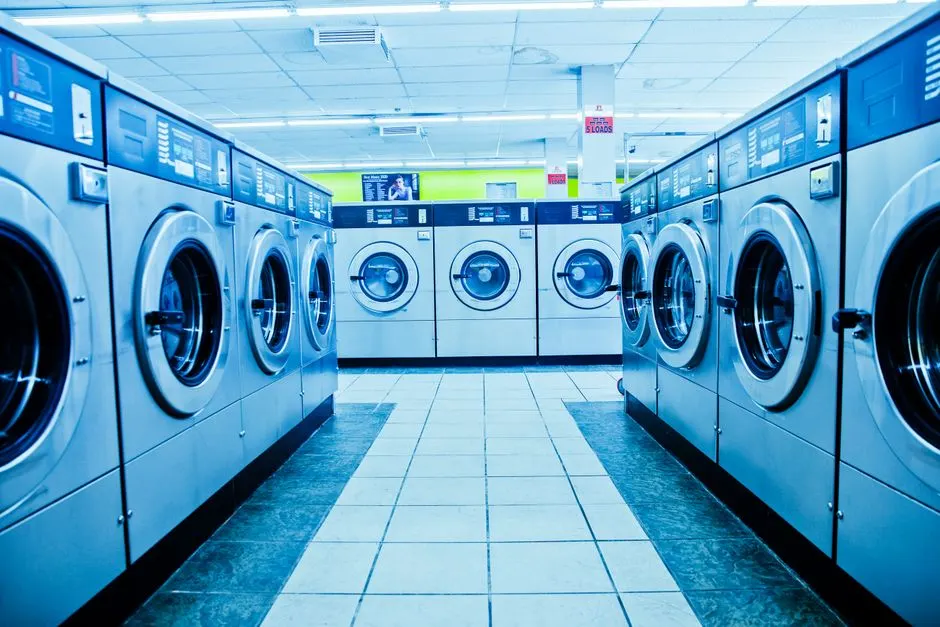
A contemporary laundromat with rows of industrial washing machines and bright interior lighting.
Licensed Licensed & Bonded
Fully Insured Insured & Bonded
24/7 Emergency Same-Day Response
Warranty Backed Workmanship Guaranteed

What Washer Installation Includes

Our standard installation covers positioning the washer at an existing laundry hookup, connecting compatible supply and drain hoses, leveling the cabinet, and checking basic operation. We inspect visible valves and confirm the route is clear before testing. Replacement of damaged household plumbing, electrical changes, extensive cabinetry work, or special lifting requirements are separate tasks; we explain any added work and price before proceeding.

Placement and Fit Check

We compare the appliance dimensions with the opening, check the route into the laundry area, and position the washer with room for hoses and service access. This helps avoid a cabinet door striking the machine or a connection being crushed when the unit is pushed into place.

Water Hose Connection

We connect compatible washer inlet hoses to the available hot and cold valves as required by the model. We check that the fittings are aligned, hand-started correctly, and tightened without damaging the threads, then inspect each joint while the washer fills.

Drain Hose Routing

We secure the drain hose in the existing standpipe or approved drain connection and make sure it is not kinked, crushed, or pulled loose. The test cycle confirms the washer pumps water out without a visible backup or leak at the connection.

Leveling and Operation Test

We adjust the feet until the cabinet sits evenly and does not rock, then run a functional cycle check. We observe filling, draining, and spin behavior, and review the control basics with you before the installation is complete.

Washer Installation Texas: What the Job Covers


Washer installation in Texas is a home appliance installation service that positions, connects, levels, and tests a new washing machine for safe operation. We confirm the machine fits its opening, remove shipping restraints as directed by the manufacturer, connect washer inlet hoses and the drain hose, and check the outlet and nearby shutoff valves. A spirit level helps us set the feet evenly; a controlled test cycle lets us inspect for leaks, unusual movement, and proper draining before we finish. The goal is a washer that is ready for its first load, not merely placed in the room.

Texas homes bring different installation conditions: compact laundry closets, second-floor utility rooms, older shutoff valves, and long drain routes all affect the work. Our washing machine installation service in Texas is suited to new appliances, replacements, and machines moved to a different room. If you are searching for professional washer installation for Texas homeowners, we check access and existing connections first, then address issues such as a kinked drain hose or worn water inlet valve before they become a soaked floor or interrupted wash.

What to Expect During Installation

Washer installation in Texas follows a clear sequence from access check to final cycle test. We protect the route to the laundry area, confirm the new unit and hookup arrangement, and explain any condition that changes the work. Most straightforward installations take about 1 to 2 hours; a stacked unit, difficult access, or connection repair can extend the visit.

01

Schedule

Call or book online — a real human picks up and confirms a 2-hour arrival window.

02

Diagnose

Licensed tech inspects on-site, then walks you through the cause and your options.

03

Fix

The job is completed to code and done right the first time — no shortcuts, no surprises.

04

Guarantee

Every job backed by a written workmanship warranty — and we stand behind it.

Tools and Installation Methods

Tools & Equipment

Spirit level

We use a spirit level to check the washer cabinet from side to side and front to back. Adjusting the feet against the actual floor helps limit rocking during spin.

Adjustable wrench

An adjustable wrench helps tighten hose fittings at the supply valves without forcing the connection. We align threads carefully and avoid excessive torque that can damage fittings.

Appliance dolly

We use an appliance dolly when the entry and floor layout allow safe movement. It helps control a heavy washer through hallways and reduces the chance of striking walls or door frames.

Multimeter

A multimeter is used when an electrical issue needs checking as part of troubleshooting. We use it carefully to assess the outlet or appliance circuit without bypassing safety protections.

Hose-clamp pliers

Hose-clamp pliers help handle compatible clamps during approved connection work. The right grip reduces slipping and helps avoid damaging a hose while securing its position.

Methods & Standards

Manufacturer-Directed Setup

We follow the installation instructions for the exact washer model, including shipping restraint removal, clearances, hose routing, and first-use checks. This matters because front-load, top-load, and high-efficiency models do not all share identical setup requirements. We verify the machine is ready before starting a test cycle.

Level-and-Test Sequence

We place the washer, adjust the feet, check for rocking, and recheck level after the unit reaches its final position. We then observe a fill, drain, and spin sequence. This catches movement or a loose connection under operating conditions rather than relying on a visual inspection alone.

Code-Conscious Connection Review

We keep installation work within applicable local plumbing and electrical code requirements and the manufacturer's instructions. We do not treat appliance hookup as permission to alter household wiring or plumbing without appropriate work. If an existing connection needs correction beyond the installation, we explain the issue and next step.

When to Schedule Washer Installation

01

Your old washer failed and a replacement is waiting in the garage or laundry room.

What we do: We check the replacement model against the opening, disconnect the old appliance if present, and prepare the existing hookups. Our team connects the new machine, levels it, and checks fill, drain, and spin operation before you put it into regular use.

→ Your replacement is tested in place, with the connections checked before the first full load. You know the washer is stable and the floor is dry.

02

You are moving a washer into a newly finished laundry closet or utility room.

What we do: We assess the doorway, appliance dimensions, water supply, drain route, and outlet position before moving the machine. We position it with service clearance, route hoses without tight bends, and test the setup under water flow.

→ The washer fits the intended space with access to its shutoffs and no crushed hoses, making routine use and future maintenance easier.

03

A delivered washer is connected, but it shakes or leaks during its first cycle.

What we do: We inspect the leveling, shipping restraints, supply fittings, and drain hose placement, then run a controlled cycle. If the cause is installation-related, we correct it and repeat the test. If a component fault remains, we explain the repair path.

→ You get a clear answer about whether the problem is setup or appliance failure, with a stable machine and verified connections when installation is the cause.

04

You are upgrading to a larger-capacity model before the busy winter laundry season.

What we do: We check whether the new unit clears the doorway and fits the existing hookups, then install it according to its model instructions. We confirm the valves and drain remain reachable and review the correct cycle and detergent guidance.

→ Your upgraded washer is ready for heavier household loads, with a fit and connection check completed before seasonal laundry demand rises.

How Washer Installation Works Across Texas

Washer installation in Texas varies with the home, not just the appliance. Gulf Coast humidity makes a small hose leak or a washer left closed after use more likely to leave musty odors and mildew buildup, so we check connections and discuss airflow after testing. In older homes, shutoff valves and drain openings may be less accessible; in newer apartments and townhomes, compact closets can leave little room to route hoses without pinching them. Across the state, summer heat and hard-working laundry schedules make a dependable setup especially useful, while occasional winter cold snaps call for checking exposed supply lines in unconditioned spaces. Our washing machine installation service in Texas follows the model instructions and applicable local plumbing and electrical code requirements. We measure tight openings, confirm accessible shutoffs, and test the drain before finishing. Whether your home is in a coastal community, an inland neighborhood, or a growing suburban development, we adapt the installation to its actual floor, utilities, and access route. That is practical local work, not a one-size-fits-all hookup.

Neighborhoods We Serve

  • The Woodlands

    Laundry closets and utility rooms can be compact in multi-level homes. We check clearance and keep the drain and inlet hoses free from pressure when the washer is pushed into position.

  • West University Place

    Older and renovated homes can have a mix of updated appliances and existing connections. We inspect visible valves and confirm the new machine fits the available opening before testing.

  • Seabrook

    Humid coastal air makes a dry floor and proper ventilation especially important. We check hose joints during the fill test and remind you to leave the washer door open when appropriate.

  • Cedar Park

    Growing neighborhoods include newer laundry spaces with tightly planned cabinetry. We verify the unit's dimensions, door swing, and service clearance before connecting the hoses.

Local Conditions We Plan For

  • Humid coastal air can amplify musty odors in closed laundry spaces

    After installation, we check for leaks and confirm drainage, then point out practical airflow habits. Keeping the drum and door area dry helps limit mildew buildup between loads.

  • Cold snaps can affect exposed laundry supply lines in unconditioned spaces

    Where pipes run through a garage or other cold area, we look for exposed connections and explain which valves serve the washer. Protecting vulnerable lines helps reduce freeze-related disruption.

  • Compact closets leave limited room behind newer high-capacity washers

    A deep cabinet can crowd hoses and restrict service access. We measure the opening, route connections carefully, and confirm the washer sits far enough forward to avoid crushing the drain hose.

Quiet Spin in a Tight Closet

Before

A replacement washer was pushed deep into a narrow closet, leaving the drain hose sharply bent and one leveling foot barely touching the floor. During spin, the cabinet rocked against the side panel and the owner heard repeated thumps. The first load was stopped before it could finish.

After

We corrected the hose route, adjusted the feet, and checked the cabinet with a spirit level. The washer completed a test spin without rocking or striking the closet wall. All visible hose joints stayed dry, and the drain test emptied the tub as expected.

Maintenance: Keep at least the model-required clearance behind the washer and check that the unit has not shifted after cleaning. If vibration returns, stop the cycle and check the load balance before running another spin.

Before

A new washer left a damp patch near the hot-water valve after its first fill. The fitting was slightly misaligned, and the owner had not noticed until water reached the edge of the utility-room mat. Laundry was paused to avoid further moisture.

After

We reseated the hose connection, inspected the valve outlet, and ran another fill and drain test. The joint remained dry through the test, and the washer completed its cycle without leaking. The owner also learned which shutoff to close if a future leak appears.

Maintenance: Look at the valve and hose connections every few months, especially after moving the washer. Replace visibly cracked or bulging hoses promptly, and keep stored items clear of the shutoff handles.

Before

An older machine had been removed, but the replacement was larger and the laundry opening had little spare depth. The family was unsure whether the drain hose would reach without stretching and whether the machine would fit past the doorway.

After

We checked the entry route and appliance dimensions, then positioned the washer with room for its connections. The hoses were routed without tension, the cabinet was leveled, and a short test confirmed filling and draining. The machine was ready for normal use after the handoff.

Maintenance: Avoid pulling the washer forward by its hoses when cleaning behind it. Leave access to the valves and drain, and follow the manufacturer's first-use and detergent directions for the model.

Fix Setup Problems Before First Laundry

Poor setup can turn a new appliance into a leak, vibration, or drainage complaint on day one. We check the likely failure points during installation, then run the washer so you see how it behaves under normal operation. If you need to install washer hoses and level a washing machine in Texas, our visit handles both tasks together.

Problem

New washer rocks hard and bangs during the first spin cycle

Repeated movement can damage nearby walls, stress hoses, and make laundry-room noise worse. An unlevel cabinet can also keep loads from spinning smoothly.

Our Fix

We check the floor contact at all four feet, adjust the leveling legs, and verify the washer does not rock by applying pressure at opposite corners. Then we watch a spin test and confirm the drain and supply hoses have enough slack without touching moving parts.

Problem

Water appears under the washer after the first fill

A small drip can soak flooring, travel under cabinets, and damage the room before it is noticed. Loose fittings and worn valves need attention before regular use.

Our Fix

We inspect the hose joints, valve outlets, and drain connection while the machine fills and empties. If a connection is loose, we correct it and retest. If a valve or household pipe is damaged, we explain the repair needed rather than hiding the issue behind the new appliance.

Problem

Washer fills but leaves water in the tub after testing

Standing water can delay laundry and point to a restricted drain route, incorrect hose placement, or an appliance fault. Leaving it unchecked risks odor and a repeat service visit.

Our Fix

We check that the drain hose is routed correctly and not kinked, then run a drain test. If the installation is sound but the washer still will not drain, we can diagnose the drain pump and related components as a separate repair.

Problem

Replacement washer does not fit the existing laundry opening

A tight fit can block the door, pinch hoses, or prevent access to shutoff valves. Forcing the appliance into place risks damage to the unit and surrounding finishes.

Our Fix

Before positioning, we compare the model's width, depth, and clearance needs with the opening and route. We identify interference early and discuss workable placement options. Once the unit fits, we connect and level it without compressing the hoses behind the cabinet.

A Better Start for Every Load

A Better Start for Every Load

A correct setup protects your floors, reduces noise, and helps the washer perform as designed. We focus on the details you notice after we leave: stable spin cycles, secure hose connections, clear drainage, and controls that respond during testing. You get a practical handoff, not a machine left pushed into place.

  • Fewer Leak Risks

    We inspect hose ends, washers, shutoff valves, and the drain connection before running water through the machine. A short leak check during a test cycle helps catch a loose fitting while it is easy to correct. For affordable washing machine installation Texas homeowners can count on, the connection check is part of doing the job properly.

  • Stable Spin Cycles

    An uneven washer can walk, bang, or shake nearby cabinets during high-speed spin. We adjust the feet and verify the cabinet is level from front to back and side to side, then observe the test cycle. Correct leveling helps reduce vibration and protects the floor from repeated impact.

  • Correct Drain Setup

    The drain hose needs a secure route and the installation height specified for the model; an improvised connection can cause siphoning or overflow. We check that the hose is not crushed behind the cabinet and confirm the machine empties during testing, helping prevent standing water and avoidable service calls.

  • Ready-to-Use Handoff

    We show you the basic controls, explain detergent guidance for your model, and identify any care instructions that matter for the first wash. We install compatible Whirlpool, Maytag, GE Appliances, LG, Samsung, Frigidaire, Bosch, and Electrolux machines according to their installation directions, so you know what is ready and what to watch.

Installation Knowledge That Shows

Our local experience covers the practical differences between a new hookup and a simple appliance swap. We follow manufacturer-specific appliance service training and installation instructions, use suitable hand tools, and check the machine under operating conditions instead of relying on appearance alone. Our technicians work to OSHA workplace safety standards and observe local plumbing and electrical code requirements applicable to installation work. EPA Section 608 certification applies to technicians handling regulated refrigerants in applicable appliances; a standard washer installation does not involve refrigerant service. We focus on washer connections, leveling, safe access, and a documented functional check you can see.

  • We check model-specific clearance and hose routing so your washer is not pressed against a wall or cabinet.
  • Our technicians use a multimeter when electrical troubleshooting is needed and follow UL electrical safety standards for listed appliance components.
  • We inspect supply valves and hose fittings for visible wear before connecting a new machine, reducing the chance of a preventable leak.
  • Manufacturer-specific appliance service training helps us follow different setup instructions for front-load, top-load, and high-efficiency models.
  • A test run checks filling, draining, and spin behavior; we stop to correct movement or leakage before handing the washer back.
Get Started Today
Installation Knowledge That Shows

Washer Installation Questions, Answered

Real answers to the questions we hear most often from local homeowners and property managers.

How much does washer installation cost in Texas?
A standard washer installation costs about $150 to $350 in 2026, while added plumbing changes or difficult access can raise the total. The price depends on whether the existing valves, drain, and electrical connection are usable, plus whether a stacked unit or removal is involved. We explain the price upfront before starting. A straightforward replacement is usually less involved than relocating a washer or correcting damaged hookups.
Who installs washing machines in Texas?
Texas Washer Repair installs washing machines in homes across Texas, including replacements and new laundry-room setups. Our technicians position the unit, connect water and drain hoses, level the cabinet, and test basic operation. For a new washing machine setup Texas homeowners can book, have the model information and installation location ready when calling; that helps us prepare for access, dimensions, and the existing connection layout.
Does washer installation include connecting drain and water hoses?
Yes, standard installation includes connecting compatible water supply hoses and routing the drain hose to the existing laundry drain. We secure the connections and run a test to check filling, draining, and visible leaks. Replacement hoses, shutoff-valve repairs, or changes to household plumbing are separate work when needed. We identify those issues before proceeding so you understand what the washer needs for a safe hookup.
Can a technician level my new washing machine?
Yes, we adjust the washer feet and check level in both directions before testing a spin cycle. The work usually takes a few minutes on a clear, stable floor, though uneven or damaged flooring can require additional attention. Proper leveling reduces rocking and excessive vibration. We also confirm the washer does not shift after it is pushed into its final position and that hoses remain free of pressure.

Related Washer Services

Washing Machine Repair

If your current washer leaks, will not start, or stops mid-cycle, repair may be a better choice than replacement. We diagnose the fault before recommending a new unit. When a repair is no longer practical, installation gets the replacement connected and tested in the same laundry space.

View Washing Machine Repair

Front-Load Washer Repair

Front-load machines rely on a well-seated door boot seal and careful leveling to limit leaks and vibration. We repair faults such as door-lock errors or drainage trouble, then install a replacement when needed. During setup, we confirm the door opens fully and the drain route is clear.

View Front-Load Washer Repair

Top-Load Washer Repair

A top-load washer that will not fill, spin, or drain may need diagnosis before you buy another machine. We check the specific symptom and explain repair options. If you choose replacement, we connect the new model, test its fill and drain functions, and verify a stable spin.

View Top-Load Washer Repair

High-Efficiency Washer Repair

High-efficiency washers use model-specific cycles and detergent requirements, so a setup issue can look like a performance fault. We repair genuine component failures and help distinguish them from installation problems. A new unit is leveled, connected, and tested with its instructions in mind.

View High-Efficiency Washer Repair

Stackable Washer Repair

Stacked laundry equipment requires careful access and secure handling because the washer sits beneath a dryer. We diagnose stackable washer faults and assess whether the arrangement can be safely moved for replacement. Installation includes checking fit, connections, and the manufacturer's stacking requirements.

View Stackable Washer Repair

Washer-Dryer Combo Repair

A washer-dryer combo saves space but needs the correct water, drain, and electrical setup to perform properly. We troubleshoot cycle or drainage faults and install a replacement unit where the existing utility connections are suitable. We test the washer functions before completing the handoff.

View Washer-Dryer Combo Repair

Book Washer Installation in Texas

Get your new washer connected, level, and tested before the first load. Our team checks the hookups and explains the work with upfront pricing. Call Texas Washer Repair at +12813266478 to schedule your installation.

Call Today Book Installation

Contact Texas Washer Repair

Call Texas Washer Repair at +12813266478 and tell us your location, washer brand, and what has stopped working. We connect callers with independent companies serving communities across Texas. Calls are routed during regular business hours, and urgent requests can be shared with local providers that accept after-hours calls.

Or call us right now at +12813266478 — we answer.

Texas Washer Repair


  • Phone

    +12813266478
  • Address

    Texas

  • Hours

    Mon–Fri: 7AM – 7PM
    Sat: 8AM – 4PM
    Sun: Emergency Only
    24/7 Emergency Available

Call +12813266478 Get Quote
Call Quote