Logo
Get Estimate

Washer replacement in Texas for a dependable laundry room

We remove the failing washer and set up your replacement.


Washer replacement in Texas gives homeowners a practical way to move past repeated breakdowns, leaks, and poor spin performance. Texas Washer Repair helps you choose a suitable replacement, disconnect and remove the old unit, and position and test the new washer. Our washing machine replacement service in Texas is for households facing costly repairs, a machine that no longer fits their needs, or a washer that risks water damage.

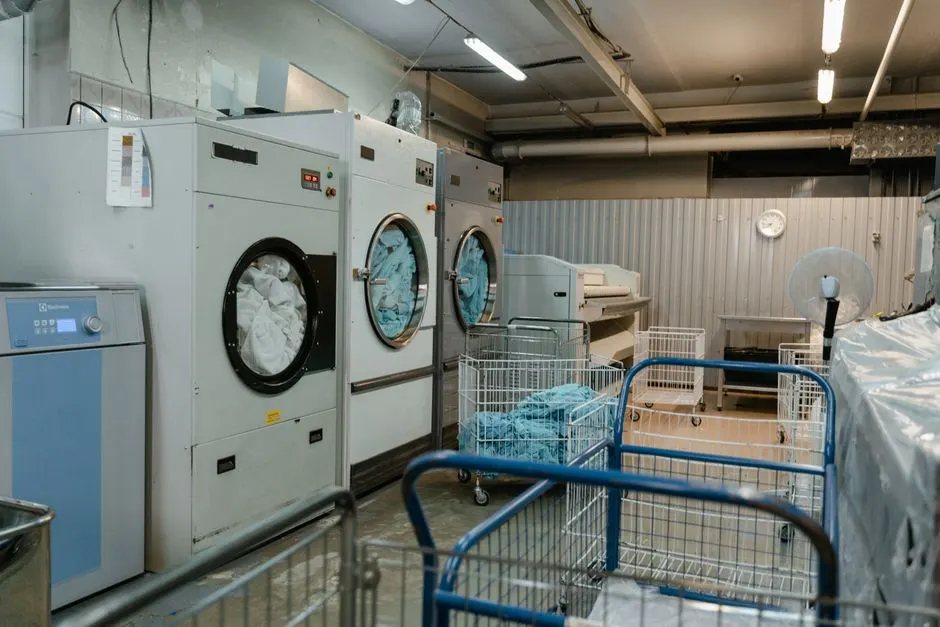
Interior view of an industrial laundry room with washers and rolling carts.
Licensed Licensed & Bonded
Fully Insured Insured & Bonded
24/7 Emergency Same-Day Response
Warranty Backed Workmanship Guaranteed

What's included with washer replacement

Washer replacement covers the changeover work needed to put your new appliance into service: checking the existing connections, disconnecting and moving the old washer, positioning and leveling the replacement, connecting compatible hoses, and testing basic operation. We flag conditions that need separate plumbing, electrical, or access work rather than masking them. Appliance purchase, unusual building modifications, and specialized disposal arrangements are not part of every changeover, so we clarify the planned work before starting.

Connection and space check

We inspect the washer opening, visible water shutoffs, drain route, and power access before moving equipment. This confirms that the replacement can sit with adequate hose clearance and that the existing setup is suitable for a standard connection.

Old washer disconnection

We shut off the water, disconnect the supply and drain hoses, and manage any remaining water in the machine. The old washer is moved carefully along the planned route to reduce risk to floors, doorways, and nearby fixtures.

Replacement placement

We position the new machine, follow applicable setup instructions, remove shipping restraints when required, and level the washer. Correct placement helps limit vibration and keeps hoses from being crushed behind the cabinet.

Hose connection and testing

We connect compatible washer inlet hoses and the drain hose, then run a test to check filling, draining, and spinning. We inspect the connection points during operation and confirm that the washer sits steadily.

Customer walkthrough

Before finishing, we show you the main controls and explain any installation detail you should know. We also point out simple care steps, such as using detergent as directed and leaving the door open briefly when appropriate to limit moisture buildup.

Washer replacement in Texas, explained


Washer replacement in Texas is an appliance installation service that removes a failing or unwanted washing machine and connects a suitable replacement for safe, tested operation. We check the water supply, drain route, electrical connection, access path, and available space before moving the old unit. Then we level the new washer, connect the hoses, run a test cycle, and check for leaks, vibration, and proper draining. The job is complete when you know how to use the new machine and the laundry area is left ready for use.

Heat, hard-water residue, humid laundry rooms, and heavy household use all affect how a washer ages across Texas. A washer not draining or spinning can sometimes be repaired, but repeat faults, a damaged tub, persistent leaks, or unavailable parts can make replacement the more sensible choice. We help you compare washer replacement options for Texas homeowners, including the machine dimensions, loading style, capacity, and installation requirements. If a repair approaches the price of a suitable new unit, we explain the trade-off plainly.

What happens on replacement day

Washer replacement across Texas follows a practical sequence: verify the setup, protect your home, remove the old washer, connect the new one, and test its operation. We explain the steps as we go so you know what is happening and when the laundry area is ready.

01

Schedule

Call or book online — a real human picks up and confirms a 2-hour arrival window.

02

Diagnose

Licensed tech inspects on-site, then walks you through the cause and your options.

03

Fix

The job is completed to code and done right the first time — no shortcuts, no surprises.

04

Guarantee

Every job backed by a written workmanship warranty — and we stand behind it.

Tools and installation methods

Tools & Equipment

Multimeter

We use a multimeter when electrical checks are needed to verify relevant supply or component readings. Testing helps distinguish an appliance fault from a problem outside the washer before recommending a replacement.

Appliance dolly

An appliance dolly helps move a heavy washer through suitable hallways and doorways while reducing strain and limiting contact with finished floors. We plan the route first and use additional care on stairs or tight turns.

Spirit level

We use a spirit level to check the washer cabinet after adjusting its feet. A level installation helps reduce avoidable vibration and movement during the spin cycle.

Adjustable wrench

An adjustable wrench is used to handle compatible water connections during disconnection and installation. We avoid overtightening fittings, which can damage threads or create leaks.

Washer drain pump filter tool

This tool supports access to applicable washer drain-pump filters during diagnostics. Checking the drainage path helps us understand whether a reported failure points to a serviceable obstruction or a broader replacement decision.

Methods & Standards

Manufacturer-directed installation

We follow the installation instructions for the washer model rather than assuming every brand uses the same setup. That includes checking shipping restraints, clearances, drain requirements, and leveling details. Model-specific setup is particularly important when changing washer type or moving to a different capacity.

Connection and leak test

After connecting the washer inlet hoses and drain hose, we run water through the machine and inspect visible joints. We confirm that the washer fills and drains as expected before leaving. This practical check catches an improperly seated connection while the work area is still accessible.

Safe appliance handling

We assess the moving route, protect surfaces, and use suitable equipment to handle the washer's weight. OSHA workplace safety standards guide safe work practices. When tight access, stairs, or stacked appliances change the risk, we adapt the handling plan rather than forcing the machine through.

Code-aware connection review

We check the visible installation against manufacturer requirements and applicable local plumbing and electrical code requirements. If a connection needs licensed trade work or a modification beyond standard appliance installation, we explain the issue and the appropriate next step instead of covering it up.

When replacement makes sense

01

A washer in a Denton family home has leaked twice and now leaves water beneath the cabinet.

What we do: We inspect the hose connections and the washer itself to identify whether the leak is external or points to a damaged machine. When replacement is the right call, we plan the route out, protect nearby flooring, install a correctly sized unit, and test for leaks during a fill cycle.

→ You get a machine that fills without leaving a puddle, with the connections checked before normal laundry resumes.

02

A Conroe household faces repeated drain and spin problems on an older washer.

What we do: We compare the failure pattern with the cost and practicality of repair. If several functions are failing, we help plan replacement instead of making an isolated repair that may not last. The changeover includes drainage checks and a spin test on the new appliance.

→ Laundry no longer waits on repeated resets, and you know the drain works before the first full load.

03

A College Station apartment has a narrow closet and a washer that no longer fits the household's needs.

What we do: We measure the opening, check the door swing and hose clearance, and plan how to move the appliance through the apartment. We position and level the replacement without blocking access to the shutoffs or drain, then run a test cycle.

→ The replacement fits the available space and remains accessible for routine checks and future service.

04

A Midland homeowner wants to change a noisy, inefficient washer before it fails during a busy season.

What we do: We review the current machine's condition and the replacement dimensions before scheduling the changeover. Our team disconnects and removes the old washer, checks the supply and drain connections, and verifies the new unit's fill and spin functions.

→ You avoid waiting for a complete failure and get a working washer with its installation checked from connection to test.

Washer replacement across Texas homes

Washer replacement across Texas has to account for more than the appliance itself. In humid coastal communities, laundry rooms can retain moisture, so we look closely at existing hose condition and signs of mildew around the machine. In drier and hotter inland areas, dust and household use still make routine cleaning and sound connections important. Cold snaps can affect exposed plumbing in utility spaces, so we check that supply lines and shutoffs are accessible before reconnecting a washer. Homes range from older utility rooms with narrow doors to new-build closets with tight clearances and stacked appliances. Our washing machine replacement service in Texas starts with those site conditions, then follows the appliance manufacturer's setup instructions and applicable local plumbing and electrical code requirements. You can help us prepare by clearing a path, noting stairs or parking restrictions, and sharing the model or dimensions of the replacement. A standard changeover takes about two to four hours; repairs to a valve, drain, or electrical access can extend the visit. We test fill, drain, and spin operation before you resume laundry.

Neighborhoods We Serve

  • North Denton residential areas

    Closet-style laundry spaces and narrow interior routes call for checking washer depth and doorway clearance before removal. We plan the move to protect trim and make sure the replacement remains reachable for service.

  • College Station apartment communities

    Apartment access, stairs, and shared hallways can affect how a washer is moved. We coordinate the route with you and protect common surfaces while keeping the supply and drain connections accessible.

  • Midland utility rooms

    Standalone utility rooms often provide more working space, but older hoses and shutoffs still need inspection. We check connection condition and floor level before placing and testing the replacement.

  • Conroe wooded-area homes

    Laundry spaces near exterior walls can experience damp conditions or temperature swings. We check for visible moisture concerns and confirm that the washer's drain and supply lines are not pinched behind the cabinet.

Local Conditions We Plan For

  • Humid air and limited ventilation in laundry closets

    Persistent moisture can contribute to musty odors and mildew buildup around a washer. During replacement, we inspect the accessible area, avoid trapping hoses against the wall, and explain simple drying habits that help keep the laundry space fresh.

  • Cold snaps affecting exposed laundry-room plumbing

    Supply lines in garages, exterior-wall closets, or unheated utility spaces deserve a careful look after freezing conditions. We check visible hoses and shutoffs before reconnecting, and we do not pressurize a line that shows clear damage.

  • Older homes with narrow doors and uneven floors

    Tight access can add moving time, while an uneven floor can make a new machine vibrate. We plan the route, measure the appliance, and adjust the washer feet during installation so it sits securely within the available opening.

From recurring leak to dry floor

Before

A washer in a Denton home had left small puddles after several loads. The inlet hoses were old, the cabinet showed wear, and the owner had already tightened the fittings once. Because the leak returned, running another load risked spreading water under the flooring and into nearby storage.

After

We disconnected and removed the failing unit, inspected the visible supply and drain connections, and installed a replacement that fit the existing opening. The setup took about three hours, including leveling and a fill test. The connections stayed dry through the test cycle, and the owner could see the result before the washer was put back into regular use.

Maintenance: Check the visible hose connections every few months and after moving the washer. Keep the drain hose seated as installed, avoid pushing the cabinet hard against the wall, and shut off the supply if you notice moisture behind the machine.

Before

A household in Conroe reported a washer that stopped with standing water several times in one month. The machine had also begun making excessive noise during spin. Repeatedly restarting the cycle did not resolve the issue, and wet laundry was left waiting for another attempt.

After

After reviewing the repeated symptoms, we replaced the washer and checked the drain route during installation. A test load confirmed that the new machine filled, drained, and reached spin without leaving water in the drum. The changeover took roughly two to four hours, with extra time used to move the old washer through a narrow doorway.

Maintenance: Use detergent according to the washer instructions and clean the accessible filter as directed for the model. Do not overload the drum; an evenly distributed load helps reduce vibration and unnecessary strain during the spin cycle.

Before

In Midland, an older top-load washer shook hard enough to shift several inches during some spin cycles. The floor was slightly uneven, but the machine also had a history of noisy operation. The owner wanted to know whether adjusting the feet would solve the problem or only hide a larger fault.

After

We checked the floor and connections, removed the old washer, and leveled the replacement with a spirit level. During the spin test, the washer stayed in place and did not pull on its hoses. The homeowner saw the cabinet remain steady through the test and received a walkthrough of load balance and basic use.

Maintenance: Keep loads balanced and leave the recommended clearance around the washer. If shaking returns, pause the cycle and redistribute the load; persistent movement deserves a check of leveling, floor support, and appliance condition.

Problems washer replacement can resolve

Washer replacement helps when a failing machine interrupts laundry, threatens floors, or costs too much to keep repairing. We assess the symptoms and the installation, then change out the unit when replacement is the practical route. The goal is a washer that fills, drains, and spins correctly in your home.

Problem

A washer leaks repeatedly from worn hoses or a damaged cabinet.

Water can spread under flooring, soak nearby storage, and damage walls before the leak is visible. Running another cycle without resolving the source risks making the cleanup worse.

Our Fix

We inspect the visible supply and drain connections and check the washer for signs of cabinet or tub damage. If the machine is not a sound repair candidate, we disconnect it, remove it, and install a compatible replacement. We run water through the new setup and watch the connections for drips before handing it back.

Problem

A washer repeatedly stops with water left in the drum.

Wet laundry sits for hours, loads develop stale odors, and repeated attempts can strain an already failing drain system. A drain fault can also leave the machine unavailable when you need it most.

Our Fix

We distinguish a repairable drainage problem from a washer with broader wear or repeated failures. If replacement makes sense, we check the drain route, install the new unit, and verify that it empties during testing. That confirms the problem is not simply being transferred to the next appliance.

Problem

The washer shakes hard and walks out of position during spin.

Excessive movement creates noise, can pull on hoses, and may mark flooring or nearby cabinets. An unbalanced load can cause temporary shaking, but persistent movement points to an installation or machine issue.

Our Fix

We check whether the old washer is level, inspect the available space, and consider the machine's condition before recommending replacement. During installation, we level the replacement and leave clearance around it. A spin test lets you see whether the cabinet stays stable under operation.

Problem

Repeated repairs cost more than keeping the old machine justifies.

Another repair may only address one symptom while other worn parts remain. You can spend more over time and still face interrupted laundry or another service call.

Our Fix

We review the reported failures, repair history, and condition of the appliance with you. If the pattern supports replacement, we help verify dimensions and installation needs before the old washer is removed. You can compare repair costs with the full changeover rather than deciding from one symptom alone.

A better fit for daily laundry

A better fit for daily laundry

A replacement should solve the problem that made you call, not create a new one. We match the installation to your laundry space, protect the route through your home, and test the machine before wrapping up. You get a clear handoff on the connections, controls, and next maintenance steps.

  • Fewer repeat breakdowns

    When a washer has several recurring faults, another isolated repair may not restore dependable use. We look at the age, condition, and repair history before recommending a change. Replacing a unit with a failing drain pump or repeated control faults can remove the cycle of missed loads and repeat service visits.

  • Correct fit and leveling

    A washer that is too deep, too wide, or poorly leveled can shake against cabinetry and strain connections. We measure the opening and account for hose clearance before positioning the replacement. A spirit level helps us set the feet evenly, reducing movement during a high-speed spin.

  • Safer water connections

    Old or cracked washer inlet hoses can leak behind the machine, where water damage often goes unnoticed. We inspect the supply and drain connections during the changeover, then run water through a test cycle. You see the connections checked before the appliance is returned to normal use.

  • Capacity that suits you

    A replacement gives you a chance to reconsider capacity, loading style, and available room rather than simply repeating the old setup. We help you compare compatible dimensions and everyday needs. That means fewer overloaded cycles and a machine better suited to the laundry demands of your household.

Our work standards

Licensed & Certified

  • Manufacturer-specific appliance service training — issued by Applicable washer manufacturers
  • OSHA workplace safety standards — issued by Occupational Safety and Health Administration
  • EPA Section 608 certification for applicable refrigerant work — issued by U.S. Environmental Protection Agency
  • UL electrical safety standards for listed appliance components — issued by UL Standards & Engagement

Verified Reviews

Customer feedback Not stated

A Denton homeowner described a careful washer changeover after recurring leaks. The old appliance was removed without scraping the hallway, the new unit was leveled, and the technician watched the hose connections during a test cycle. The customer appreciated seeing the machine run before the work was finished.

Customer feedback Not stated

A Conroe customer called after repeated drainage trouble and chose replacement after discussing the repair history. The technician checked the drain route, installed the new washer, and verified that it emptied properly. The customer said the plain explanation made the decision easier.

Customer feedback Not stated

A Midland homeowner needed a replacement in a laundry room with limited clearance. The team checked the dimensions before moving the old unit, protected the floor, and tested the replacement through a spin cycle. The customer noted that the washer remained steady and the connections were dry.

Practical installation expertise

Our team approaches replacement as an appliance changeover, not simply a delivery. We inspect the old setup, identify what caused trouble, and install the new unit to its manufacturer requirements and applicable local plumbing and electrical code requirements. Our technicians use manufacturer-specific appliance service training and follow OSHA workplace safety standards while moving heavy equipment. EPA Section 608 certification applies to technicians handling regulated refrigerants in applicable appliances; standard household washers do not use refrigerant. We focus on the connections, leveling, drainage, and test results that determine whether your new washer is ready for everyday loads.

  • We compare the existing opening, washer dimensions, and hose clearance before moving a replacement into a tight laundry closet.
  • Our technicians check inlet hoses, drain routing, shutoff valves, electrical access, and visible signs of leaks during changeover.
  • We follow manufacturer-specific appliance service training for setup details that vary between Whirlpool, LG, Samsung, and other models.
  • We test filling, draining, and spin operation before handing the appliance back, rather than relying on appearance alone.
  • We use safe moving practices and protect common walkways when replacing washers in apartments, townhomes, and multi-level homes.
Get Started Today
Practical installation expertise

Cities we serve across Texas

Texas Washer Repair provides washer replacement across communities with different housing layouts, access needs, and seasonal conditions. Our coverage includes established neighborhoods, newer developments, apartments, and homes with compact utility closets. Texas washer replacement is planned around the appliance size, route into the laundry area, and condition of the water and drain connections. We schedule the practical steps for your location, remove the old unit when included, and test the replacement before you return to regular laundry.

Denton

In Denton, we plan washer changeovers around family laundry demands, closet dimensions, and hallway access. We check connections and level the replacement before running a fill-and-drain test.

College Station

College Station replacements often involve apartments and shared access routes. We coordinate the move through the available doorway and hallway, protect surfaces, and confirm the new unit drains correctly.

Midland

For Midland homes, we inspect the laundry-room opening and existing hoses before removing the old washer. We position and level the replacement, then check operation through a spin cycle.

Richardson

In Richardson, compact utility rooms and established home layouts can make appliance dimensions important. We measure clearance, protect the moving route, and test the completed water and drain connections.

Conroe

Conroe washer replacement includes attention to moisture around laundry spaces and the condition of visible hoses. We connect the new machine and inspect the fittings during a test cycle.

Mansfield

In Mansfield, we help homeowners replace aging washers while checking fit in utility rooms and laundry closets. The changeover includes leveling and confirmation that the machine fills, drains, and spins.

Rowlett

Rowlett replacements are planned around the home's access route and existing drain location. We remove the old appliance carefully, connect the replacement, and check for leaks before completing the visit.

Bedford

For Bedford households, we assess washer dimensions, door clearance, and connection condition before moving equipment. A final operational test checks stability and drainage in the installed position.

Coppell

Coppell homes may have tight laundry closets or stacked arrangements. We plan access before removal, verify the replacement fits, and keep hoses clear of pinching behind the washer.

La Porte

In La Porte, we pay close attention to visible hose condition and moisture around the laundry area. We install the replacement, run water through the system, and inspect connections for drips.

Cleburne

Cleburne washer changes begin with checking the old machine's symptoms and the available opening. We remove and position the units carefully, level the new washer, and verify its drain cycle.

Greenville

For Greenville homes, we account for the route from the entrance to the laundry room and the condition of existing shutoffs. We test the replacement before the first household load.

Denison

Denison replacements include a practical check of the laundry space, drain hose route, and floor level. We handle the changeover and confirm the washer operates without excessive movement.

Fresno

In Fresno, we help match the replacement to the home's available space and laundry needs. Our changeover checks the visible connections, machine leveling, and basic fill, drain, and spin operation.

Watauga

Watauga washer replacement is planned around access, appliance dimensions, and the condition of existing hoses. We remove the old unit carefully and test the replacement for leaks and steady operation.

Washer replacement questions, answered

Real answers to the questions we hear most often from local homeowners and property managers.

How much does washer replacement cost in Texas?
In 2026, a straightforward washer changeover commonly costs about $180-$450 for labor, while a new appliance can bring the total to roughly $600-$1,800 or more. Price depends on the washer model, access, removal needs, and whether hoses, valves, or drain connections need attention. We explain upfront pricing before work starts. For an exact comparison, include the appliance price, delivery charges, removal, and installation when calculating the cost to replace a washing machine in Texas.
When should I replace my washing machine instead of repairing it?
Consider replacement when the washer has repeated major failures, a damaged tub, persistent leaking, or a repair quote near half the price of a comparable new machine. A single faulty latch or hose is often repairable; recurring drain, spin, and control-board faults deserve a broader comparison. We inspect the symptoms and repair history, then explain when to replace a washer instead of repairing it in Texas based on the machine's condition and parts availability.
Who can remove and replace an old washer in Texas?
Texas Washer Repair handles washer disconnection, removal, placement, connection, and testing across its Texas service areas. The job includes shutting off water and power, managing the drain hose, protecting the route, and checking the replacement after setup. If you need to remove and replace an old washer in Texas, tell us about stairs, narrow doors, or a stacked arrangement so we can plan the move safely.
Does washer replacement include installation and hose connections?
Yes, washer replacement with installation in Texas includes positioning, leveling, connecting compatible water and drain hoses, and running an operational test. We inspect the visible shutoffs and fittings as part of the changeover. Replacing damaged valves, correcting unsuitable electrical work, or modifying plumbing can require additional work under applicable local codes; we identify those conditions before proceeding and explain the practical next step.

Other washer services we provide

Washing Machine Repair

A washer that stops mid-cycle or makes unusual noise may need a targeted repair rather than replacement. We diagnose the failure and explain whether repair is practical based on the affected part and the machine's condition. This gives you a grounded comparison before deciding on a new appliance.

View Washing Machine Repair

Front-Load Washer Repair

Front-load washers can develop door seal leaks, drainage trouble, or odor from moisture left around the door boot seal. We inspect the fault and confirm whether a component repair restores normal use. If the machine has broader damage, that diagnosis also informs a replacement decision.

View Front-Load Washer Repair

Top-Load Washer Repair

A top-load washer that will not fill, spin, or balance may have a repairable component issue. We check the symptoms and test relevant functions before recommending a course of action. Repair findings help you compare the cost and expected usefulness of keeping the existing machine.

View Top-Load Washer Repair

High-Efficiency Washer Repair

High-efficiency washers rely on correct loading, detergent use, and working sensors to clean effectively. We diagnose faults such as repeated unbalanced loads or poor draining and determine whether repair makes sense. If you choose replacement, we can help ensure the new unit fits your available space.

View High-Efficiency Washer Repair

Stackable Washer Repair

A stacked laundry setup requires careful access because the washer may sit beneath a dryer in a closet or compact utility area. We assess the fault and safe access before working. When replacement is the better option, we account for the stacked arrangement and the space needed to remove the old unit.

View Stackable Washer Repair

Washer-Dryer Combo Repair

A washer-dryer combo saves floor space but combines wash and dry functions in one appliance. We diagnose the specific fault before advising repair or replacement, since a problem affecting one cycle does not always mean the whole unit has failed. We also check access and connections for a changeover.

View Washer-Dryer Combo Repair

Arrange washer replacement in Texas

Tell us what your washer is doing, where it is located, and whether the old unit needs removal. We will help you plan the changeover and explain upfront pricing before work starts. Call Texas Washer Repair at +12813266478 to discuss your replacement.

Call Today Schedule Service

Contact Texas Washer Repair

Call Texas Washer Repair at +12813266478 and tell us your location, washer brand, and what has stopped working. We connect callers with independent companies serving communities across Texas. Calls are routed during regular business hours, and urgent requests can be shared with local providers that accept after-hours calls.

Or call us right now at +12813266478 — we answer.

Texas Washer Repair


  • Phone

    +12813266478
  • Address

    Texas

  • Hours

    Mon–Fri: 7AM – 7PM
    Sat: 8AM – 4PM
    Sun: Emergency Only
    24/7 Emergency Available

Call +12813266478 Get Quote
Call Quote