
Logo
Get Estimate

Washer not draining repair in Texas that restores your laundry

Clear the fault, protect your floor, finish the wash.


Washer not draining repair in Texas gets standing water out of your machine and identifies why it stopped moving through the drain cycle. We help homeowners and renters facing a full tub, a wet load, or a washer that stops before spin. Our technicians inspect the drain path, pump, and controls, then explain the repair and price before work begins. Call when water remains in the drum or begins pooling around the appliance.

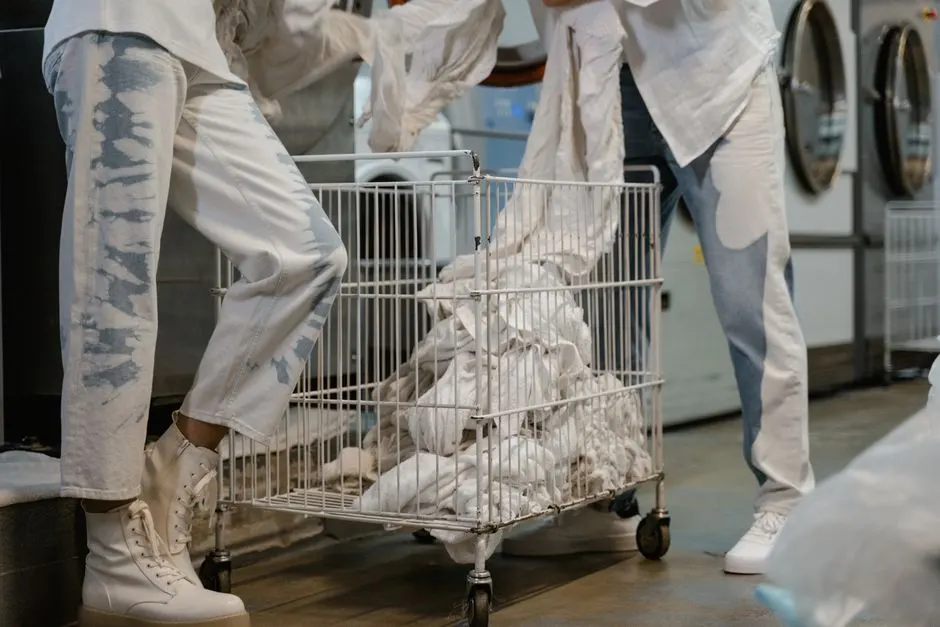
Two individuals loading laundry into washers at a self-service laundromat.
Licensed Licensed & Bonded
Fully Insured Insured & Bonded
24/7 Emergency Same-Day Response
Warranty Backed Workmanship Guaranteed

What washer drain repair includes

Washer not draining repair in Texas covers diagnosis of the appliance's accessible drain system, correction of the confirmed washer-side fault, and a functional test. We inspect the filter, hose, pump, and related electrical operation as the model requires. If testing points to a blocked household drain or a separate plumbing or electrical installation issue, we explain that distinction before proceeding with appliance work.

Drain system inspection

We inspect the drain hose for kinks, clogs, and poor routing, then check accessible filter and pump areas for lint, coins, or other debris. This identifies common restrictions without assuming the pump needs replacement. We also note visible wear or leaking at accessible connections.
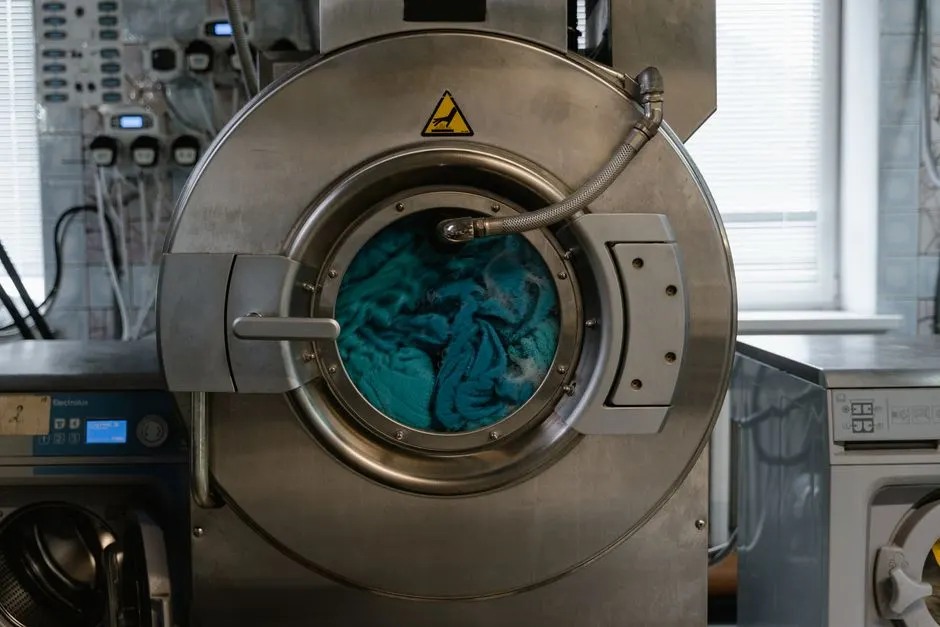
Pump and electrical checks

When symptoms point to pump failure, we check the component and its electrical supply using appropriate test equipment. A failed pump, damaged wiring, or interrupted control signal can produce similar symptoms, so testing helps us identify which part of the drain process is not working.

Agreed washer-side repair

After explaining the diagnosis and price, we complete the agreed washer-side repair, such as clearing an obstruction, correcting hose placement, or replacing a confirmed failed drain component. The exact work depends on the model and fault; we do not treat every slow drain as the same repair.

Leak and cycle verification

We reassemble opened areas and run an appropriate drain test. We watch for water escaping at accessible connections, confirm the tub empties, and check that the cycle advances. If an error code or spin problem remains, we explain the additional finding rather than calling an incomplete test a successful repair.

Washer not draining repair in Texas: what we do


Washer not draining repair in Texas is an appliance service that finds and corrects the mechanical, electrical, or drainage fault preventing a washer from removing water. We check the drain hose for kinks and obstructions, inspect the pump filter and drain pump, and verify that the washer reaches its drain and spin stages. A multimeter helps us test electrical continuity, while a washer drain pump filter tool supports safe access on compatible models. The goal is a complete drain cycle, not simply removing water from the tub by hand.

Heat, heavy rain, hard-working laundry rooms, and older plumbing can all expose a weak drain path. In coastal Corpus Christi, humidity can aggravate musty odors after water sits; in McKinney and Tyler, busy family laundry schedules can make a partial blockage show up quickly. Our washing machine drain repair in Texas addresses those conditions at the appliance and its accessible connections. If your washer is full of water, our Texas technician for a washer full of standing water checks the machine before repeated cycles worsen a leak or strain the pump.

What happens during your repair

Washer not draining repair in Texas follows a clear sequence: protect the laundry area, locate the failure, make the repair, and test the machine. We keep you informed at each step, including what we find and how long the work is expected to take.

01

Schedule

Call or book online — a real human picks up and confirms a 2-hour arrival window.

02

Diagnose

Licensed tech inspects on-site, then walks you through the cause and your options.

03

Fix

The job is completed to code and done right the first time — no shortcuts, no surprises.

04

Guarantee

Every job backed by a written workmanship warranty — and we stand behind it.

Tools and repair methods

Tools & Equipment

Multimeter

We use a multimeter to check continuity and relevant electrical readings at the drain pump and connected circuits, following the washer's service procedure and safe power-isolation practices.

Washer drain pump filter tool

On compatible models, this tool supports access to the pump filter so we can inspect and remove debris without damaging the filter housing or surrounding components.

Hose-clamp pliers

Hose-clamp pliers help release and secure compatible hose clamps during inspection or component replacement, reducing the risk of a poorly seated drain connection after reassembly.

Appliance dolly

When the layout allows safe movement, an appliance dolly helps reposition the washer for access to a rear drain hose or service panel while reducing strain on the appliance and work area.

Socket and nut-driver set

We use the correct socket or nut driver to remove model-specific access panels and fasteners, then reinstall them securely so the washer is ready for a safe test cycle.

Methods & Standards

Drain-path isolation

We check the washer's hose, filter, pump inlet, and discharge behavior in sequence to locate where water flow stops. Comparing appliance discharge with the household connection helps distinguish a washer restriction from a standpipe backup. This method prevents a plumbing problem from being mislabeled as a failed pump.

Electrical component testing

With the washer safely isolated as required, we test relevant pump and circuit readings and compare them with model-specific service information. We do not rely on a humming sound alone to condemn a pump. The result helps determine whether the fault is mechanical, electrical, or elsewhere in the cycle.

Controlled post-repair cycle

After reassembly, we run a suitable drain, rinse, or spin test and observe water movement, connections, and cycle progression. We confirm that the tub empties and look for leaks before returning the washer to normal use. The selected test depends on the model and the repair performed.

Code-aware installation checks

If hose placement or an installation connection contributes to the fault, we check applicable manufacturer instructions and local plumbing and electrical code requirements for the work involved. Appliance-component repair and household plumbing work are not interchangeable, so we identify which system is responsible before changing a connection.

When to call for drain repair

01

Your front-loader stops with water in the drum and the door remains locked after the cycle ends.

What we do: We safely manage the remaining water, inspect the filter and pump path, and check whether the washer's drain cycle is receiving the correct electrical response. We avoid forcing the door, which can damage the latch or release water onto the floor. After repair, we run a drain test and check the door area for leaks.

→ You get the load out without forcing the door, and the washer is tested to confirm it empties before another cycle.

02

A top-loader drains intermittently, then leaves a wet load when the spin cycle should begin.

What we do: We check whether the hose is kinked, the pump is obstructed, or an electrical fault interrupts operation. We also inspect for unbalanced loads if the washer drains but still refuses to spin. Once the cause is corrected, we verify drainage and cycle progression with an appropriate test.

→ The next load can drain and move into spin as designed, with any separate balance or spin concern clearly identified.

03

Water backs up around the laundry standpipe whenever the washer pumps out.

What we do: We check the washer's hose and discharge behavior to see whether the appliance is pushing water correctly. If the washer drains freely into a suitable test setup but the standpipe backs up, the restriction is likely in household plumbing. We explain the distinction so the right repair addresses the source.

→ You avoid replacing a working washer pump for a plumbing blockage and know which part of the drain system needs attention.

04

A washer in a tight upstairs closet leaks after a slow drain and leaves the floor damp.

What we do: We protect the work area, manage water in the drum, and inspect accessible hose connections, filter access, and the pump. We check for a separate door or hose leak while testing drainage. The final run is monitored so we can spot an escaping connection before leaving.

→ The cause is identified with the surrounding floor protected, and you receive a clear result from the final drain and leak check.

How washer drain service works across Texas

Washer not draining repair in Texas has to account for varied housing, weather, and laundry-room layouts. Gulf Coast humidity around League City and Missouri City can make a damp washer smell musty sooner, while heavy rain may expose a household drain that already struggles to accept discharge. In inland communities such as Tyler and Huntsville, older homes can have long hose runs, tight utility spaces, or standpipes that complicate access. We inspect the actual setup instead of assuming every home has the same drain arrangement. Our washing machine pump and drain troubleshooting in Texas checks the appliance first, then separates a washer fault from a building drain issue. If a hose is crushed behind a stacked unit or the washer sits on an upper floor, access and water containment become part of the job. Installation changes must follow applicable local plumbing and electrical code requirements; component repairs follow the washer's service procedure. Tell us your city, machine type, and whether water is leaking so we can plan the right diagnostic visit.

Neighborhoods We Serve

  • Coastal laundry rooms

    Near Corpus Christi and League City, humidity can leave residual moisture and odors after incomplete drainage. We check that the tub empties and inspect for visible leaks before the final test.

  • Newer suburban utility spaces

    In McKinney and Atascocita, washers are often installed in closets or compact utility rooms. We plan access around stacked units, narrow doors, and hose routing behind the appliance.

  • Older home drain setups

    Homes around Tyler and Huntsville can have varied standpipe arrangements and longer hose paths. We check whether water leaves the washer properly before concluding that the appliance pump has failed.

  • Growing outer communities

    In Princeton and Belton, garage or secondary laundry installations may see wide temperature swings. We examine exposed hose routing and connections where the washer is set apart from conditioned living areas.

Local Conditions We Plan For

  • High humidity keeps damp laundry and washer interiors from drying quickly

    When water remains after a failed cycle, humid air can prolong drying and make musty odors more noticeable. We confirm that the tub drains fully and point out visible moisture or leaks around the accessible washer connections.

  • Heavy rain reveals a household standpipe or drain backup

    A washer can appear to have a failed pump when the home drain cannot accept discharge. We test where water stops moving and distinguish an appliance-side restriction from a plumbing backup before recommending the repair.

  • Compact closets and stacked units limit rear access

    Tight clearance affects how we reach a hose, pump, or service panel and how we protect nearby walls and floors. We assess the setup before moving the appliance and check connections carefully during reassembly.

Blocked pump leaves clothes soaked

Before

A family load ended with water covering the bottom of the drum. The washer hummed, paused before spin, and left clothes heavy enough to drip into the laundry basket. Restarting the cycle changed nothing, and the homeowners were concerned that opening the door would put water on the floor.

After

We removed the remaining water, found debris obstructing the pump path, cleared it, and checked the pump's operation. The washer emptied during a controlled test and advanced into spin. The floor remained dry, and the homeowners could remove the load without forcing the locked door.

Maintenance: Check an accessible pump filter according to the washer manual and empty pockets before washing. If a low hum returns without water movement, stop repeated cycles and arrange a diagnosis before the pump is strained further.

Before

The washer took several minutes to empty and occasionally stopped with a drain error. The hose had shifted behind the machine and was pressed against the wall. Water remained in the tub after spin, although the pump itself was operating.

After

We corrected the hose route, checked the connection for damage, and ran a drain test. Water cleared from the tub in the expected part of the cycle, and the washer proceeded to spin without the same error. No pump replacement was needed for this fault.

Maintenance: Leave enough clearance behind the washer to prevent the hose from being crushed when the appliance moves. After cleaning or repositioning the machine, check that the hose remains secure and follows the manufacturer's routing instructions.

Before

Water drained slowly and rose around the laundry standpipe during pump-out. The homeowner expected a failed washer pump because the cycle stopped with damp clothes. The appliance's discharge and the home drain had not yet been tested separately.

After

We confirmed that the washer could pump water through its hose, then observed the backup at the household drain connection. That result identified a plumbing restriction rather than a failed appliance pump. The customer avoided replacing a working component and had a clear next step for the drain line.

Maintenance: Watch the standpipe during a future drain cycle and stop the washer if water rises or spills. Keep the appliance hose correctly positioned, but do not force it farther into the pipe to mask a recurring backup.

Fix the cause of standing washer water

A full drum can signal a simple restriction or a failed component, and the distinction affects the repair. We trace where water stops moving and test the machine's response. That lets you act before repeated cycles add stress to the pump or water reaches the floor.

Problem

The washer finishes its cycle with water covering the clothes

Wet laundry becomes heavy, odors develop, and opening the door can release water onto flooring. Repeated restart attempts can add more water without clearing the blockage.

Our Fix

We remove water in a controlled way, inspect the filter and drain path, and test the pump and controls as needed. After correcting the cause, we run a drain cycle and confirm the tub empties. If your washer still will not spin, we check whether it is a separate fault or a result of water remaining in the drum.

Problem

The pump hums but water leaves the washer slowly

A restricted hose or jammed pump can prolong cycles and overwork the drain system. Slow drainage also leaves detergent residue and moisture behind, which can contribute to musty odors.

Our Fix

We check hose routing, filter access, and the pump inlet for lint or foreign objects. If the pump receives power but cannot move water, we test its operation and explain the repair options. We then verify flow through the drain path rather than judging success only by the sound of the motor.

Problem

Water leaks near the washer after a drain attempt

A loose or damaged connection can wet flooring, baseboards, or nearby storage. Continuing to run the appliance makes it harder to distinguish a hose leak from an overflow or door-seal problem.

Our Fix

We inspect accessible hose connections and the washer's drain operation, then run a controlled test while watching for leaks. On front-load models, we also check the door boot seal for visible damage. If the water source is outside the appliance or in the household plumbing, we explain what the test shows.

Problem

The washer displays an error and stops before spin

An interrupted cycle leaves a load soaking and can conceal a control or sensor issue behind a drainage symptom. Resetting the machine repeatedly may clear the display temporarily without fixing the underlying fault.

Our Fix

We record the displayed code, inspect the drain system, and test relevant electrical operation using model-specific service information. If a blockage is responsible, we clear or repair that fault and retest. If the code points to a separate control issue, we explain that finding before recommending additional work.

Get back to clean, dry laundry

Get back to clean, dry laundry

A washer that will not drain leaves clothes heavy, delays the next load, and can put flooring at risk. We trace the fault rather than replacing parts by guesswork. You get a clear explanation, a repair aimed at the cause, and a drain-cycle test before we finish.

  • Find the actual blockage

    We inspect the hose route, filter, pump inlet, and household drain connection to distinguish a washer fault from a clogged standpipe. That matters because a kinked hose and a failed pump require different work. With the obstruction identified, we can complete washer drainage problem repair Texas homes need without treating every symptom as a pump failure.

  • Protect floors and cabinets

    Standing water can escape when a door is opened or a hose connection shifts. We contain remaining water, check accessible connections, and test for leaks after the repair. If you have a front-load washer, we also look for water around the door boot seal so a drain problem is not mistaken for a door leak.

  • Restore the spin cycle

    Many washers will not spin at full speed while water remains in the tub. We confirm that drainage completes and that the machine proceeds into spin, then check for an unbalanced load or a separate drive issue if symptoms remain. A successful test helps you avoid another load of dripping laundry.

  • Know the repair before work

    We explain the diagnosis and price before making the agreed repair. A filter cleanout is different from replacing a drain pump or correcting a damaged hose, and you deserve to know which applies. Our repair service for a washer that will not drain focuses on the verified fault and a practical test afterward.

Safety and service standards

Licensed & Certified

  • Manufacturer-specific appliance service training — issued by Appliance manufacturers
  • OSHA workplace safety standards — issued by Occupational Safety and Health Administration
  • UL electrical safety standards for listed appliance components — issued by UL Standards and Engagement
  • EPA Section 608 certification for regulated refrigerant handling when applicable — issued by U.S. Environmental Protection Agency

Verified Reviews

Customer feedback Not stated

A homeowner in Corpus Christi described a washer that stopped full of water. The technician removed the water carefully, found a drain restriction, and ran a complete test cycle. The useful part was the explanation: the homeowner knew what had blocked the pump path and what to check if drainage slowed again.

Customer feedback Not stated

A McKinney customer reported a washer that hummed without draining. Diagnosis showed the issue was not simply a failed pump, and the repair was tested before the technician left. The family appreciated having the price explained first and the washer checked through the drain and spin stages.

Customer feedback Not stated

A customer in League City had water around the laundry area after a slow drain. The technician checked the hose and washer operation, found the source, and watched the final test for leaks. The customer said the straightforward explanation helped distinguish the appliance issue from a possible home drain backup.

Practical appliance diagnostic expertise

Our technicians work across common washer designs and use manufacturer-specific appliance service training to follow model-appropriate test procedures. We diagnose Whirlpool, Maytag, GE Appliances, LG, Samsung, Frigidaire, Bosch, and Electrolux machines without assuming that the same symptom means the same failed part. Electrical checks follow UL electrical safety standards for listed appliance components, and installation work respects applicable local plumbing and electrical code requirements. Drain repairs do not involve refrigerant handling; EPA Section 608 certification applies to technicians handling regulated refrigerants in applicable appliances, not ordinary washer drain work.

  • We separate pump, hose, filter, and control faults with inspection and electrical tests instead of replacing parts based on a symptom alone.
  • Our team uses model-specific service procedures for front-load, top-load, high-efficiency, stackable, and combination laundry units.
  • We follow OSHA workplace safety standards while moving appliances, managing standing water, and working around energized components.
  • We check for related symptoms such as washer not spinning, error codes, leaks, vibration, and excessive noise during testing.
  • We explain when a plumbing or electrical installation issue falls under local code requirements rather than an appliance component repair.
Get Started Today
Practical appliance diagnostic expertise

Cities we serve across Texas

We deliver washer not draining repair across Texas, coordinating visits for coastal homes, inland communities, and expanding suburban areas. Our coverage includes Corpus Christi, McKinney, Tyler, League City, Atascocita, and additional cities below. Each home has a different washer location, drain connection, and access path, so we use your symptoms and machine details to prepare. Call about washing machine drain repair in Texas and tell us where the water is stopping.

Corpus Christi

In Corpus Christi, humidity can leave damp laundry and lingering odors when a washer fails to empty. We inspect the drain path, check for leaks, and verify the final cycle.

McKinney

McKinney homes often have compact laundry rooms or stacked units. We plan access to the hose and pump, then test drainage and spin before wrapping up.

Tyler

For Tyler households, we check whether slow drainage comes from the washer or the standpipe. That distinction helps avoid replacing an appliance part when the home drain is restricted.

League City

In League City, we check for residual water, musty odors, and visible leaks around the washer after incomplete drainage. The final test confirms water clears from the tub.

Atascocita

Atascocita service includes pump, filter, and hose checks for busy family laundry rooms. We explain the confirmed fault and verify that the washer advances into its next cycle.

Missouri City

We inspect Missouri City washers for blocked filters, pump faults, and hose restrictions, while checking whether water backs up at the household drain connection.

Wylie

Wylie customers get a model-aware drain inspection and a controlled test after repair. We check the washer's discharge and accessible connections for leaks.

Huntsville

In Huntsville, varied home layouts can mean long hose runs or limited service access. We trace the water path before deciding whether the fault is in the washer.

Lancaster

Lancaster appointments focus on identifying why the tub stays full, from an obstructed pump filter to a discharge hose problem. We confirm drainage before leaving.

Mission Bend

For Mission Bend homes, we check the washer and its accessible drain connections, then distinguish appliance trouble from a household drain backup when symptoms point that way.

Lufkin

Lufkin washer service covers slow drains, standing water, and cycle interruptions. We inspect the pump path and test the repaired washer through a suitable drain function.

Sachse

In Sachse, we account for narrow laundry spaces and hose routing behind the appliance. A final test checks that water exits cleanly and no connection leaks.

Princeton

Princeton customers can arrange diagnosis for a washer that stops before spin or leaves water in the drum. We test the drain fault rather than guessing at parts.

Belton

We check Belton washers for pump, filter, and hose problems, including machines installed in garages or secondary laundry areas. Drainage is verified after the repair.

Ennis

Ennis service begins with the symptom and washer model, then follows the drain path to the cause. We finish with a cycle test and a check for visible leaks.

Washer drain repair questions, answered

Real answers to the questions we hear most often from local homeowners and property managers.

How much does washer not draining repair cost in Texas?
In 2026, many washer drain repairs fall between $150 and $450, including common diagnostic and labor needs. The final price depends on whether the fault is a simple hose obstruction, a filter cleanout, a drain pump, difficult access, or a related control issue. We identify the cause and explain the price before work begins. A household drain blockage may require a plumber rather than an appliance repair, which we will point out if testing indicates that is the issue.
Who repairs a washing machine that will not drain in Texas?
An appliance repair technician diagnoses and repairs washer pumps, filters, hoses, and related controls. We service drain faults across Texas and test the washer after the repair. If the appliance drains correctly into a bucket but backs up at the home's standpipe, the restriction is likely in the plumbing rather than inside the washer. We help identify that distinction so you contact the right trade and avoid replacing a working pump.
Can a clogged drain hose cause a washer to stop draining?
Yes, a kinked or blocked drain hose can stop or slow water removal and leave clothes soaking wet. We inspect the hose for crushing, lint, and foreign objects, then verify that it is routed and secured correctly for the model. If you suspect a blockage, do not pull a filled washer forward by its hoses. Our washing machine drain repair near me in Texas service can check the appliance and explain whether the hose or pump is at fault.
Why is there standing water in my washing machine?
Standing water usually means a blocked filter or hose, a failed drain pump, a household drain backup, or a control fault interrupted the cycle. Stop running repeated cycles if water is not moving; extra attempts can strain a failing pump or cause a leak. Note any humming, error code, or unusual noise and call us to inspect it. We test the drain path and electrical operation to find the cause before recommending a repair.

Other washer services we provide

Washing Machine Repair

A drain fault can overlap with a washer that will not spin, fill, or complete a cycle. Our broader washing machine service checks the full sequence and related components, so you can address more than one symptom in the same visit when diagnosis shows a connected cause.

View Washing Machine Repair

Front-Load Washer Repair

Front-load washers retain water when the pump filter, drain hose, or pump is obstructed. We inspect the drain system and door boot seal, then run a suitable test cycle. That helps separate a drainage fault from water escaping around the door.

View Front-Load Washer Repair

Top-Load Washer Repair

Top-load models can stop draining because of pump, hose, lid-control, or cycle faults. We check the machine's design and symptoms before opening access panels, then verify that it drains and advances through spin after service.

View Top-Load Washer Repair

High-Efficiency Washer Repair

High-efficiency washers use carefully controlled water levels and cycle logic. A sensor or control fault can resemble a blocked drain. We test the drain path and relevant operation so the repair addresses the cause without overlooking an error code.

View High-Efficiency Washer Repair

Stackable Washer Repair

A stacked washer can be harder to access, especially in a narrow closet or utility alcove. We plan safe access, check the drain connections, and account for the extra handling involved. The washer is tested after reassembly to confirm water exits cleanly.

View Stackable Washer Repair

Washer-Dryer Combo Repair

A combination unit may leave clothes wet when its washer drain system fails, even if the dryer function works. We inspect the drain components and cycle controls, then confirm that the unit removes water before the drying stage.

View Washer-Dryer Combo Repair

Call for washer not draining repair in Texas

If water is still in the drum, stop repeated cycles and call our team. We diagnose the washer, explain the repair price upfront, and test drainage after the work. Call +12813266478 to arrange service in Texas.

Call Now Book a Repair

Contact Texas Washer Repair

Call Texas Washer Repair at +12813266478 and tell us your location, washer brand, and what has stopped working. We connect callers with independent companies serving communities across Texas. Calls are routed during regular business hours, and urgent requests can be shared with local providers that accept after-hours calls.

Or call us right now at +12813266478 — we answer.

Texas Washer Repair


  • Phone

    +12813266478
  • Address

    Texas

  • Hours

    Mon–Fri: 7AM – 7PM
    Sat: 8AM – 4PM
    Sun: Emergency Only
    24/7 Emergency Available

Call +12813266478 Get Quote
Call Quote