
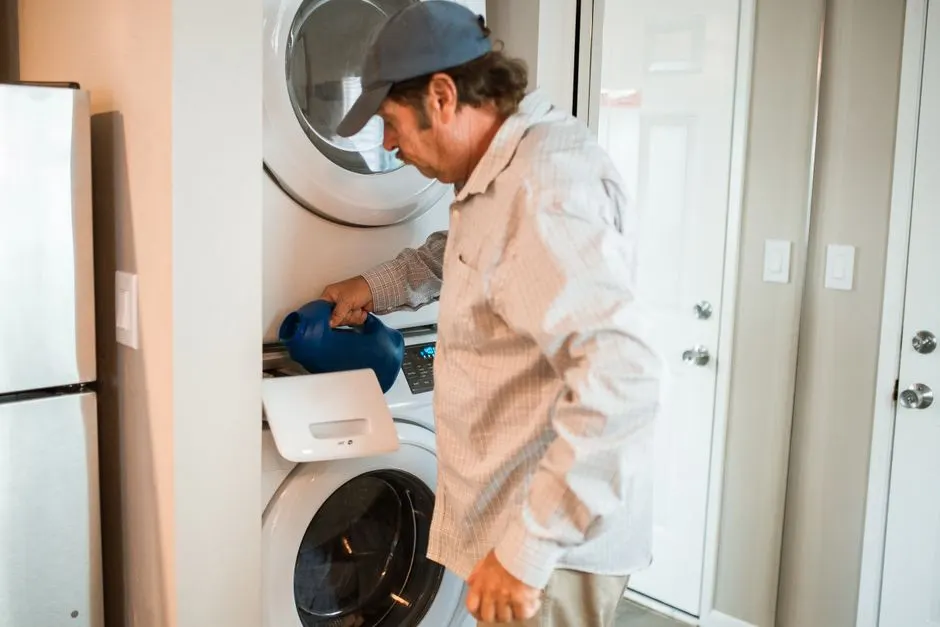
To prepare a washer for a Texas move, empty it, run a brief drain or spin cycle, shut off the water, disconnect and drain the hoses, secure the drum as the manufacturer directs, and keep the machine upright in a padded, climate-conscious load. These steps take about 45 to 90 minutes and help prevent leaks, cabinet dents, and suspension damage. Our guide covers the moving checklist, regional heat and long-distance considerations, and what to do before reconnecting the appliance at your new home.
How to prepare a washer for a Texas move is a practical moving-appliance procedure that protects the washer's water connections, drum, and cabinet from damage during handling and transport. The exact securing method depends on the model, so keep the manual or model number handy. For homeowners arranging Washer repair in Texas, careful preparation is the best first step toward a smooth move and a trouble-free first wash.
How do you prepare a washer for a move in Texas?
Preparing a washer for a move in Texas means emptying the drum, draining residual water, disconnecting the supply and drain hoses, securing the drum where required, and transporting the appliance upright. Start the process the day before loading if you can; that gives trapped water time to drain and the interior to dry.
Before you begin, check the owner's manual for transport instructions. Front-load machines often need model-specific shipping bolts, while many top-load models use a different restraint method or have no user-installed transit bolts. Never assume a generic strap or screw can replace the manufacturer's hardware.
- Gather adjustable pliers, towels, a shallow pan, tape, protective padding, and the shipping bolts if your model requires them.
- Photograph the hose connections and control settings before you disconnect anything.
- Plan for two adults or a rated appliance dolly; washers commonly weigh 150 to 250 pounds, and some models weigh more.
Leave the power disconnected while you work around the water lines. If you have a stacked unit, a narrow stairwell, or a washer that is already vibrating or leaking, do not improvise a lift or restraint. A damaged suspension system can become worse when the machine is tilted or bounced.
Drain the washer and disconnect the hoses safely
To disconnect washer water and drain hoses in Texas, turn off both supply valves, unplug the washer, drain leftover water, then remove and cap or bag the hoses. A small amount of water can remain in the pump, sump, and hose bends even after a normal cycle, so keep towels and a pan nearby.
Run a drain-and-spin cycle if the washer is operating normally. Then unplug it and close the hot and cold valves fully. If a valve is stuck, leaking, or corroded, stop rather than forcing it; twisting an old valve can turn a simple move into a wall leak.
Place a shallow pan under the hose connections before loosening them. Disconnect the supply hoses at the wall or washer, lower each end into the pan, and let the remaining water empty. Remove the drain hose from the standpipe or laundry sink and drain it as well. Some models have an accessible pump-filter drain; follow the manual and expect more than a cup of water.
Dry the hose ends, place the hoses and their washers in a labeled bag, and tape the bag inside the washer door or to the rear panel without covering vents. Keep the drain hose separate from the power cord so it does not get kinked or crushed. If a hose is cracked, swollen, or more than five years old, replacing it during setup is usually sensible.
A washer that will not empty should not be loaded with a drum full of water. For a machine that remains full after a drain cycle, our Washer not draining repair in Texas service addresses blockages and pump faults before transport puts extra strain on the appliance.
Secure the drum and protect the cabinet
To secure a washer drum for transport, install the original shipping bolts or the exact restraint kit specified for your model, then keep the washer upright and immobilized on the truck. The bolts limit tub movement; without them, a front-load drum can swing hard enough to damage suspension parts or the outer tub during a rough ride.
For a front-load washer, check the rear panel for bolt openings and consult the manual for the correct number and placement. Many models use four shipping bolts, but the count and fittings vary. If the hardware is missing, contact the manufacturer or an appliance technician for the correct kit; do not substitute ordinary bolts.
Top-load washers have different suspension designs, and not every model accepts shipping bolts. Follow its transport instructions, remove loose accessories, and use approved tub restraints when specified. We handle Front-load washer repair in Texas, including diagnosis when a washer starts banging or vibrating after a move.
Close and secure the door or lid without forcing the latch. Wrap the cabinet with moving blankets, then secure the blankets around the appliance rather than applying tape directly to painted or stainless surfaces. Keep padding clear of the control panel, detergent drawer, and ventilation openings.
Use an appliance dolly with straps around the cabinet, not through the door handle or hoses. Keep the machine vertical on stairs and ramps, and avoid laying it on its side. A sharp tilt can move residual water into electrical or control areas, and the cabinet can twist under the appliance's weight.
Plan for Texas heat, distance, and loading
Protecting a washing machine during a Texas move means limiting heat exposure, securing it against shifting, and planning extra care for long drives and overnight stops. In summer, a closed truck can exceed 100°F even when the outdoor temperature is lower, so load the washer near departure rather than leaving it in a parked vehicle for hours.
Do not leave the washer in direct sun or in a hot storage unit for an extended period. Heat can soften plastic components and leave the interior damp and stale if the door stays shut. Once the appliance is safely inside the truck, keep it upright, dry, and away from items that can fall against the cabinet.
For a long-distance relocation-such as the drive between Washer repair in Houston and Dallas-check that the appliance is strapped to a truck rail or other secure anchor. Recheck the straps after the first 10 to 15 miles and at fuel stops. Do not stack boxes on top of the washer or place heavy furniture against its control panel.
Winter moves also deserve attention. If the washer is exposed to freezing conditions, drain the hoses and pump as thoroughly as the manual allows; trapped water can freeze and crack components. Keep the appliance in a heated area when possible, and let a cold washer warm to room temperature before reconnecting it.
At the destination, set the washer upright and allow it to stand for at least one hour after a long or rough trip before reconnecting it. Remove any transit bolts before running a cycle, since leaving them installed can cause violent vibration and serious damage. Retain the bolts for future moves.
Common mistakes that damage a washer during a move
Common washer-moving mistakes in Texas include skipping the drain step, transporting the appliance on its side, using the wrong drum restraint, and running a cycle before removing shipping bolts. Each mistake can lead to a puddle, a loud spin cycle, or an expensive repair that was avoidable.
Do not pull a washer by its hoses or power cord. Do not use the door as a handle, and do not push a dolly under a thin plastic base without checking the model's instructions. These shortcuts can tear a hose, crack a panel, or shift the tub out of alignment.
- Do not forget the small amount of water in the drain pump or hose loop.
- Do not tape over the door seal or leave detergent, bleach, or softener in the dispenser.
- Do not run the washer with shipping bolts installed or with the unit unlevel.
At the new home, inspect the floor and water valves before placing the machine. The floor should be solid and level; a soft or sloped surface can amplify vibration. Leave enough room behind the washer for hoses to bend gently rather than being pinched against the wall.
When to call a professional
A washer technician in Texas should handle a move when the washer leaks, will not drain, has missing transport hardware, or must be carried through tight stairs or installed in a stacked configuration. Professional help is also useful if the machine was transported without its restraints and now knocks, walks, or leaves water behind.
Our Texas Washer Repair technicians can inspect the washer, identify damage from transport, and check the connections and leveling before you rely on it for laundry. We can also help with setup after the move; typical 2026 labor for a straightforward washer reconnection and leveling is about $100 to $200, while repairs or complex stacked installations cost more. We explain the price before work starts.
Call us if the shutoff valves will not close, the drain standpipe overflows, or the washer trips a breaker after reconnection. Those are not good problems to troubleshoot by repeatedly running test cycles. We check the installation and the appliance so you can get back to normal laundry without guesswork.
Frequently Asked Questions
How do I prepare a washer for a move in Texas?
Allow 45 to 90 minutes to empty the washer, drain it, shut off and disconnect the hoses, secure the drum as the manual directs, and pad the cabinet. Transport it upright and strapped to the truck. In hot weather, avoid leaving it in a parked vehicle for hours; at the new home, remove transit bolts before testing.
Should I drain a washing machine before moving it?
Yes. Run a drain-and-spin cycle, then empty residual water from the hoses and any manufacturer-approved pump drain. The cycle takes a few minutes, but manually draining the hose and filter area can take another 10 to 20 minutes. Keep a shallow pan and towels ready because water remains in low points.
Do front-load washers need shipping bolts for transport?
Many front-load washers require the original shipping bolts for transport, often four, but the exact hardware varies by model. Check your manual or model label before moving the unit. If bolts are missing, get the correct kit rather than using substitute fasteners; then remove the bolts before the first wash at the new home.
How should washer hoses be packed for a move?
Drain each hose, dry the ends, and place the hot, cold, and drain hoses in a labeled bag with their rubber washers. Secure the bag to the washer without covering vents or controls. Replace any hose that is cracked, swollen, or over five years old, and avoid sharp bends that can weaken it.
Can a technician reinstall my washer after a Texas move?
Yes. A washer technician can reconnect the supply and drain lines, level the cabinet, remove transit bolts, and run a short test cycle. A basic 2026 reconnection and leveling visit often costs about $100 to $200 before repairs or complex stacked-unit work. Call if valves leak, the drain backs up, or the washer vibrates heavily.
Get help with Washer repair in Texas
If your washer was damaged in transit or you want it checked before the first load, Texas Washer Repair can help with diagnosis, repair, and setup. Call +1 (281) 326-6478 to discuss the problem and arrange service.