
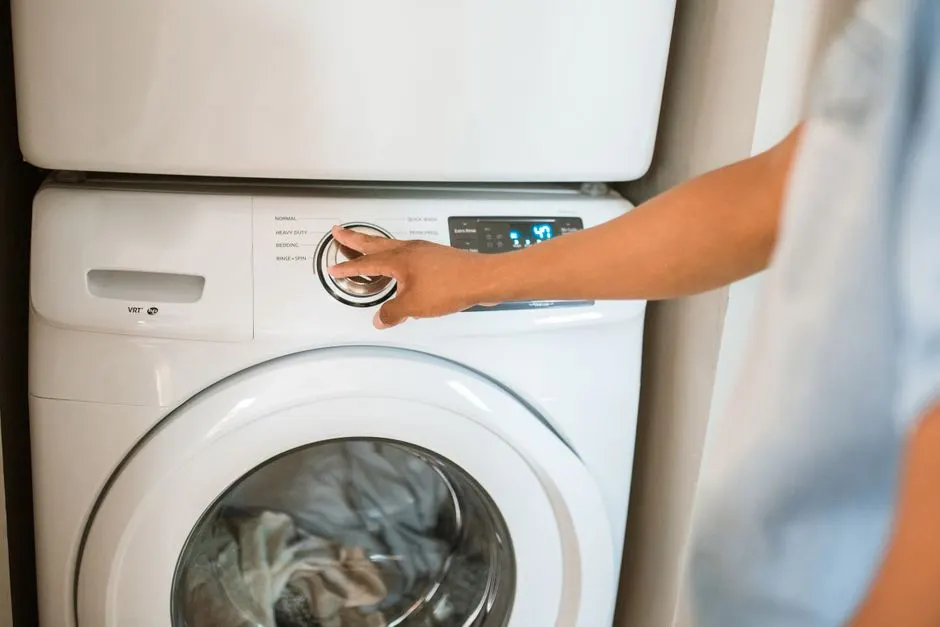
A front-load washer usually smells musty because water, detergent film, lint, and skin oils remain trapped in the door gasket, dispenser, or drain system after a cycle. The odor comes from residue and moisture that let mildew and odor-causing microbes build up, especially when the door stays shut between loads.
That musty smell in a front-loading washing machine does not always mean the appliance is broken; routine cleaning and better drying habits solve many cases. This guide explains what causes the odor, how to clean the washer without damaging its rubber seal, and which warning signs point to a part that needs service. Our team handles Washer repair in Texas, including persistent front-load washer odor problems.
Why does my front-load washer smell musty is a washer-maintenance question that helps you identify trapped residue and moisture before odor transfers to clean laundry. If you have already cleaned the accessible areas and the smell returns, the source could be deeper than the gasket.
Why does my front-load washer smell musty?
A front-load washer smells musty when moisture and detergent residue stay in enclosed areas such as the door seal, dispenser drawer, tub, or drain filter. The rubber gasket folds inward and can hold a surprising amount of rinse water, hair, lint, and small debris.
Unlike a top-load tub that is more open to room air, a front loader seals tightly at the door. If you close it immediately after a wash, humid air and droplets have nowhere to go. In humid Texas weather, a warm laundry room and limited airflow can make that damp environment last longer.
Soap buildup is another common source. High-efficiency washers use less water, so too much detergent or a non-HE product can leave a slick film behind. That film catches body oils and lint, then develops the stale smell people notice when they open the door or unload towels.
Common front-load washer odor causes include:
- Water and debris caught in the lower folds of the door gasket.
- Detergent and fabric-softener residue in the drawer or its housing.
- A clogged or dirty drain-pump filter that holds lint and stagnant water.
- Frequent cold-water cycles, overloaded drums, or loads left inside for hours.
- A drainage problem that leaves water in the tub after the cycle ends.
If the washer finishes with standing water, or clothes come out sour even after a complete wash, pay attention to drainage. Our Washer not draining repair in Texas service addresses a drain fault that can keep feeding odor into the machine.
Where washer odors hide and how to find the source
In Texas homes, the fastest way to locate a washer odor is to inspect the gasket, dispenser, drum, and filter separately rather than cleaning the whole machine at random. Unplug the washer before reaching near openings or removing a service panel, and keep a towel ready for residual water.
Start with the rubber door seal. Pull its inner lip forward gently and look along the bottom and side folds for dark spots, slimy residue, coins, hair, or trapped water. A washing machine door gasket odor is especially likely if the smell is strongest right at the opening or you can see residue on the rubber.
Next, slide out the detergent dispenser according to the owner's manual. Check the drawer corners and the cavity above it; softener can collect there and turn tacky. Smell the drum, then compare it with the filter area if your washer has an accessible pump filter. Some models release water when that filter is opened, so use the manufacturer's draining instructions rather than forcing the cap.
Location matters, too. Homes around humid coastal areas, including Washer repair in Houston, often contend with laundry rooms that stay damp after a wash. Leaving space around the appliance and improving room airflow helps, but a recurring odor still deserves a careful check for trapped water or a drainage fault.
How do you clean a smelly front-load washer?
You can remove mildew odor from a front-load washer by cleaning the gasket and dispenser, then running the washer's dedicated tub-clean cycle with a product approved by its manufacturer. Never mix bleach with vinegar, ammonia, or another cleaner; the combination can create dangerous fumes.
Use the steps below for cleaning a smelly front-load washing machine. Check your owner's manual first, because cleaning instructions and filter access differ by model.
- Remove loose lint and debris from the gasket folds with a soft cloth. Wipe the seal using warm water and a small amount of mild, nonabrasive detergent.
- Rinse the cloth, wipe the gasket again, then dry the folds fully. Avoid sharp tools, scouring pads, and concentrated chemicals that can scratch or weaken the rubber.
- Remove and wash the dispenser drawer in warm water. Use a soft brush on residue, then dry the drawer and the dispenser cavity before replacing it.
- Run the washer's self-clean or tub-clean cycle with the washer cleaner or other product specified in the manual. Do not add a load of clothes.
- When the cycle ends, wipe the door glass and gasket dry and leave the door ajar so the drum can ventilate.
For visible mold on a seal, follow the washer maker's cleaning directions rather than soaking the gasket in bleach. Some seals have coatings or materials that harsh cleaners can damage. If dark staining remains after cleaning, or the odor returns within a few days, the residue may be behind the seal or in a component you cannot safely reach.
To learn how to clean a front-load washer door seal without damaging it, use a soft cloth and gentle pressure; do not pull the gasket off its retaining ring. That ring holds the seal in place, and removing it without the right tools can turn a cleaning job into a repair.
How often should you clean a front-loading washing machine?
Clean the door gasket and dispenser weekly, wipe the seal dry after each wash, and run the washer's tub-clean cycle about once a month or at the interval in your owner's manual. A household doing several loads each day should check the seal more often than a household washing once or twice weekly.
After each load, remove wet clothes promptly and leave the door and dispenser drawer slightly open when the laundry area is safe for ventilation. Wipe visible water from the lower gasket fold. These small habits take less than a minute and interrupt the damp conditions that cause odors.
Front-load washer mold prevention also depends on detergent use. Measure the HE detergent according to the label and your load size; more soap does not make clothes cleaner. If you see suds remaining after a cycle or feel a slippery film on the drum, reduce the dose and run a cleaning cycle.
In humid Texas weather, try to keep the laundry room ventilated during and after washing. A working exhaust fan or open interior door can help moisture disperse. Avoid storing wet laundry in the drum overnight, particularly during warm months when the room already feels damp.
Common mistakes that make washer odors worse
Several everyday cleaning habits make front-load washer odor harder to remove because they leave more residue or damage the parts that need to dry. The fix is usually simpler than adding stronger chemicals.
- Using too much detergent: Excess soap leaves film in a low-water washer and feeds buildup in the gasket and tub.
- Pouring vinegar into every cycle: Repeated acidic exposure can affect rubber parts, and vinegar is not a substitute for the machine's recommended tub-clean product.
- Using chlorine bleach and another cleaner together: Never combine cleaning chemicals, even if the odor is stubborn.
- Scrubbing the gasket with a hard brush: Cuts and roughened rubber can leak, trap grime, or require seal replacement.
- Closing the door immediately: This traps moist air and slows drying between loads.
- Ignoring the filter: A blocked filter can retain water and debris, though access and cleaning steps vary by model.
Do not assume a fragrance booster has fixed the problem. It can cover the smell temporarily while the residue remains in place, and the odor often returns with the next damp load.
When to call a professional about washer odor
A persistent washer smell in Texas needs professional attention if it returns after a full cleaning, comes with standing water, or is paired with a leak, drainage error, or unusual pump noise. Those signs suggest the odor may be connected to a clogged drain path, damaged gasket, or another internal issue rather than surface residue.
Stop using the washer if water is leaking onto the floor, the drum fails to drain, or you notice a burning smell. If the odor is a sewage-like smell rather than mustiness, the standpipe or household drain connection may need inspection as well as the appliance.
Our technicians can inspect the gasket, drain path, pump filter, and cycle performance to find why the smell keeps coming back. We provide Front-load washer repair in Texas for problems that home cleaning cannot reach. For washer diagnostics and troubleshooting in Texas, we check the symptoms and test the relevant components before recommending a fix.
We give you upfront pricing before repair work begins. When a washer needs a technician, tell us whether water remains in the drum, how often the odor returns, and whether you have seen an error code; those details help us focus the inspection.
Homeowners in Central Texas can also find help through Washer repair in Austin. Whether the issue is a seal that no longer closes correctly or a washer that fails to drain fully, the goal is to remove the source of the odor-not just mask it.
Frequently Asked Questions
Why does my front-load washer smell musty?
A front-load washer smells musty when moisture, detergent residue, lint, or stagnant water stays in the gasket, dispenser, drum, or drain filter. Wipe the seal after each load, use the correct HE detergent amount, and leave the door ajar between washes. If the smell returns soon after a thorough cleaning, check for drainage problems.
How do I remove mildew odor from a washing machine?
Clean the gasket folds and dispenser with warm water and mild detergent, dry them, then run the manufacturer-recommended tub-clean cycle. Repeat monthly or as your manual directs. Do not combine bleach, vinegar, ammonia, or other cleaners, and avoid abrasive tools that can damage the door seal.
Can moisture in the washer gasket cause a bad smell?
Yes. Water trapped in the lower gasket folds can mix with lint and soap residue and create a musty smell within a few days, especially if the washer door stays closed. Wipe the folds dry after each wash and inspect them weekly for debris or visible buildup.
How often should I clean my front-loading washer?
Wipe and dry the gasket after every load, clean the gasket and dispenser weekly, and run a tub-clean cycle about once a month. Follow your model's manual if it specifies a different schedule. Households running multiple loads daily should check for residue more frequently.
When should a musty washer smell be checked by a repair technician?
Call for service if odor remains after a proper cleaning or returns within a few days, or if you find standing water, leaks, unusual pump noise, or a drain error. A technician can inspect parts behind the accessible gasket and test the drain system for a cause you cannot safely reach.
Get help with washer repair in Texas
If a musty smell keeps returning after cleaning, Texas Washer Repair can inspect your front-load washer and track down the source. Call +1 (281) 326-6478 to arrange washer repair.