
Residential washer repair for Saginaw homes
Residential washer repair in Saginaw covers detached homes, townhomes, rental properties, and compact laundry spaces where a machine may sit in a garage, closet, or upstairs utility area. Family schedules leave little room for repeated wash attempts, so we focus on the specific failure and test the washer before wrapping up. We handle water leaks, unbalanced spin cycles, no-drain conditions, and machines that stop with an error code. Older units may need a part decision based on condition and repair cost; newer high-efficiency units require model-specific checks. Tell us whether your washer is stacked, how far it is from the entry, and whether the floor is already wet. That information helps us plan a safe visit and bring the right tools.
- Home washer diagnosis and repair — We diagnose household washers across Saginaw by checking the reported cycle, error display, and machine response. If your washer will not drain or spin, we test the relevant components and explain the cause before completing the repair. We run a suitable cycle test and check the floor and connections afterward.
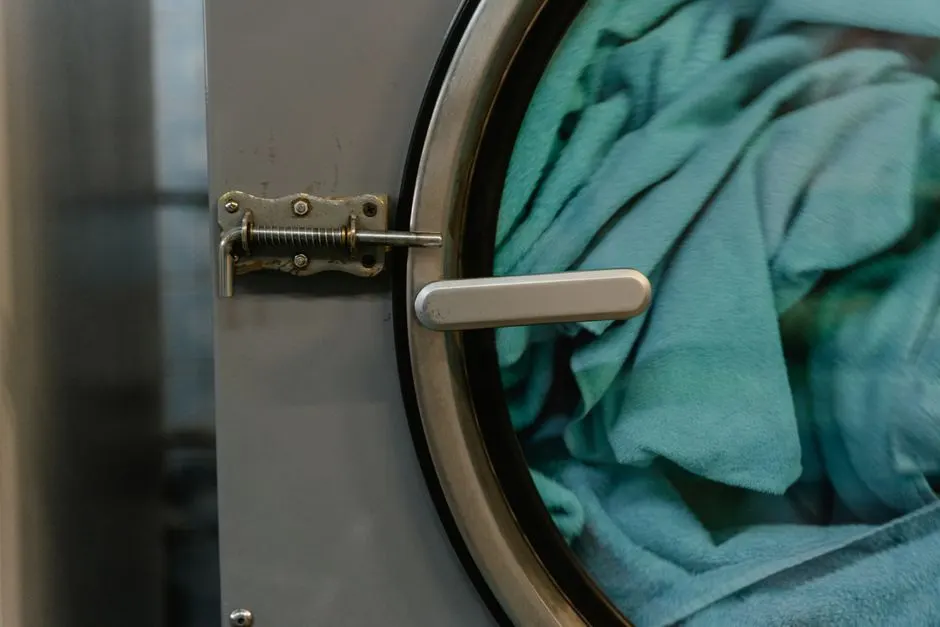
- Front-load leak and seal service — A door leak in a Saginaw home needs a close inspection of the seal and surrounding surfaces. We identify whether the door boot seal, debris, or another component is responsible, then test the machine for leakage. We also explain practical cleaning and drying steps that suit the manufacturer's instructions.
- Stacked laundry access and repair — For stacked washer setups in Saginaw, we plan around closet width, stairs, and the dryer above the washer. We secure access before moving equipment and protect surrounding trim. Diagnosis remains focused on the washer fault, and we check hose routing and stability after the unit is returned to position.
- Washer installation and replacement — When installing or replacing a washer in Saginaw, we check fit, leveling, drain routing, and water connections. We follow the appliance instructions and applicable local requirements, then run a fill and drain test. This catches a loose connection or poor discharge before the first full household load.