





Residential washer repair in Texas City homes
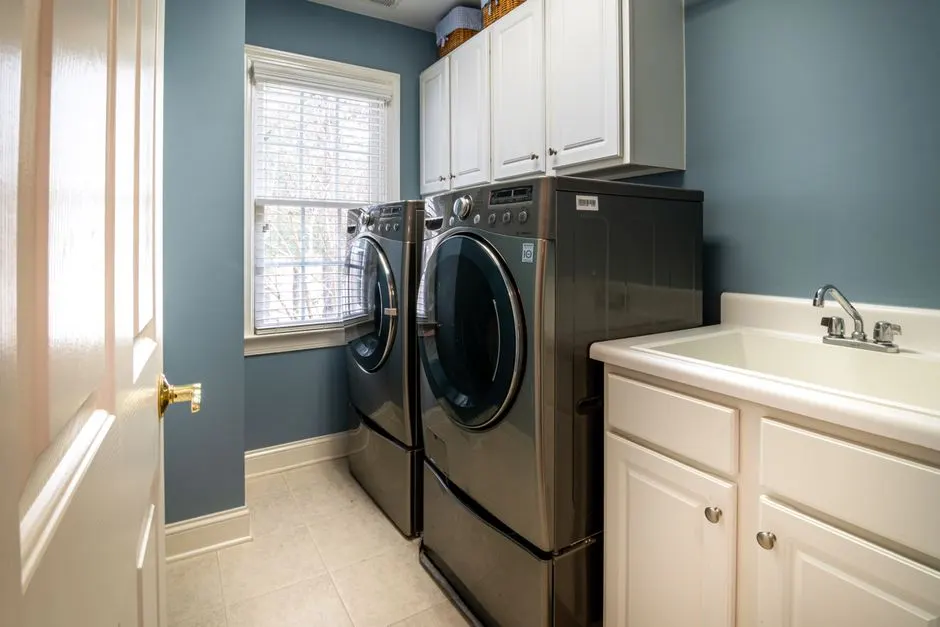
Texas City homes range from older houses with compact utility rooms to newer residences with dedicated laundry spaces, plus apartments where stacked machines fit a tight closet. A washer failure can disrupt a family's daily routine, leave school or work clothes wet, or put water near stored items. We handle front-load washer repair, top-load faults, installation, and drainage problems across the city. Tell us whether your washer sits in a garage, upstairs room, or narrow closet; the location affects access and how we protect the surrounding area. We test the relevant cycle before leaving and explain what caused the failure. For active leaks, describe where the water appears and whether it happens during filling, washing, or draining so we can focus the inspection.
- Household washer diagnostics — We check the symptom, appliance response, and connections in your Texas City home before proposing a repair. A washer that stops at rinse needs different checks from one that leaks during fill. We test the stage that failed and tell you whether the issue is a component, a blocked path, or an installation concern.
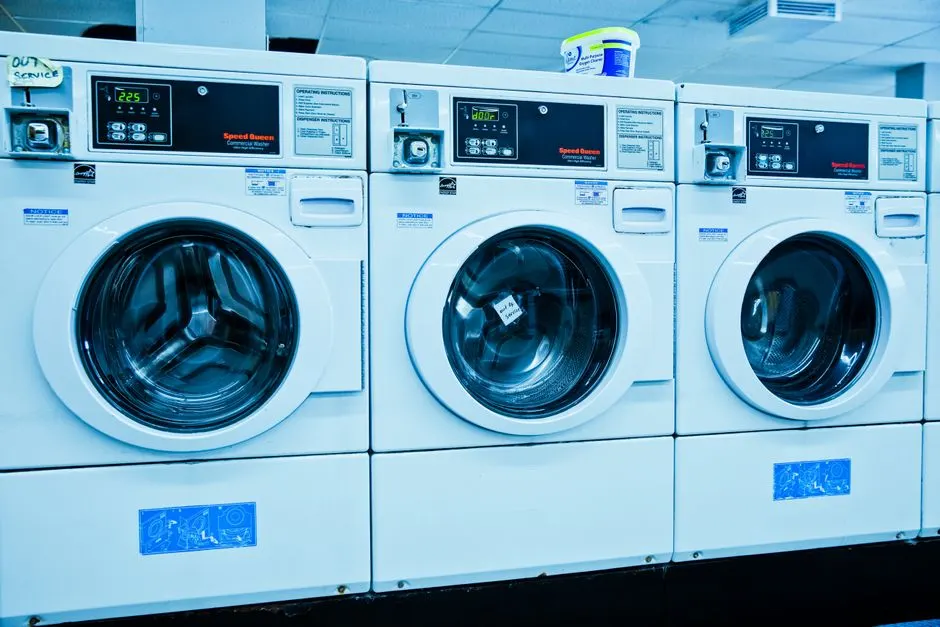
- Front-load seal and drain repairs — Front-load units in Texas City can leave water near the door when a seal is damaged or drainage is restricted. We inspect the door boot seal, accessible filter, and hose route, then verify the leak or drain issue is resolved. We also explain how to keep the seal area dry between loads.
- Top-load spin and fill repairs — If a top-load washer in Texas City will not fill or spin, we check the supply and cycle response before opening the machine. The inspection may include the lid interlock, drive system, and controls. After repair, we run the relevant stage to confirm the washer works with a balanced load.
- Washer installation and leveling — We install washers in Texas City residences by checking the opening, route, water connections, drain, and power access. The machine is positioned and levelled, then tested for leaks during fill and drain. Mention stairs, narrow doors, and stacked equipment in advance so we can plan safe handling.