Residential washer repair for Heartland homes
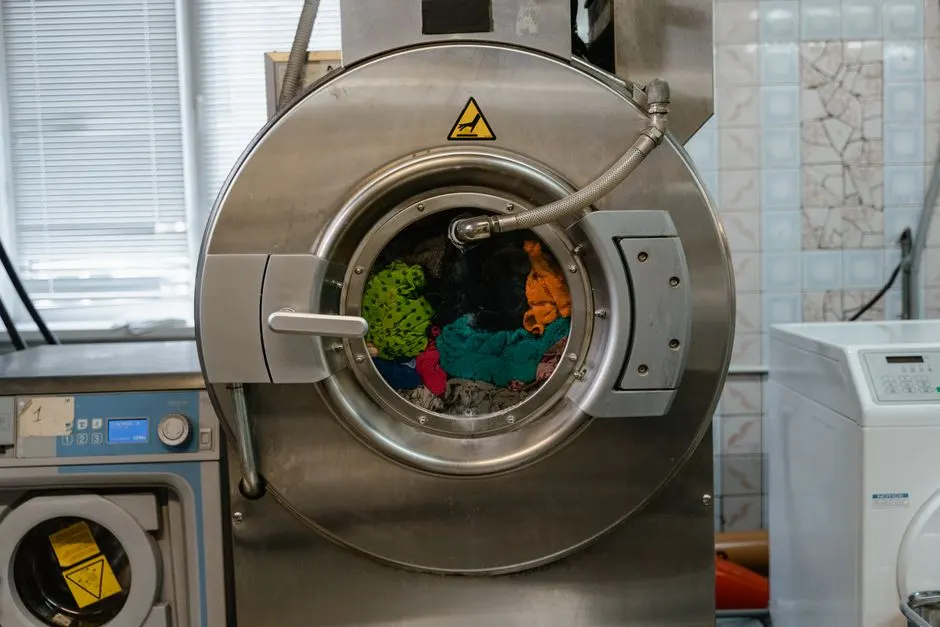
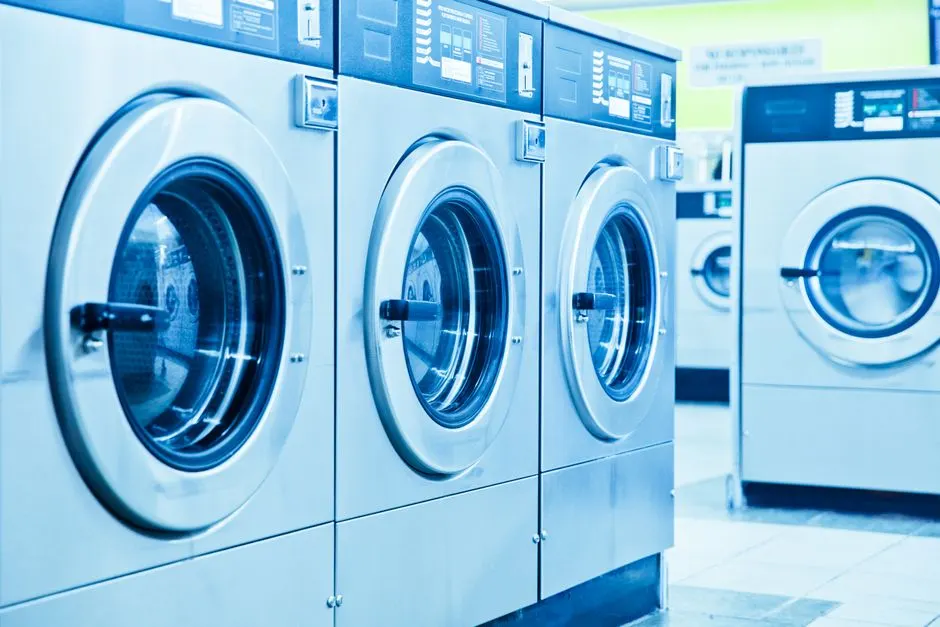
Residential washer repair in Heartland keeps everyday laundry moving in homes where a single machine may handle clothing, towels, bedding, and sports gear for the whole household. Laundry spaces vary: some washers sit in garages or utility rooms, while others are tucked into interior closets or stacked with a dryer. We ask where the appliance is installed and what it did before stopping, then check the symptom, connections, and relevant components. If you have a high-efficiency washer, share its model and any display code; measured fill behavior and cycle logic help guide diagnosis. Our work includes front-load and top-load repairs, washer installation, replacement support, and drainage troubleshooting. After an approved repair, we run a functional test and check for water at the floor and fittings.
- Household washer diagnosis and repair — We inspect Heartland household washers that stop, leak, fail to drain, or shake during spin. Tell us the brand, model, and cycle where the symptom appears. We check the likely system, confirm the fault, explain the repair, and test the washer before leaving so you can return to regular laundry.
- Front-load seal and drain service — If your front-loader in Heartland leaks at the door or develops standing water, we inspect the seal and drainage path. We look for a torn or misplaced seal, obstruction, or pump issue, then run the relevant cycle. You get a direct explanation of the cause and the repair completed.
- Top-load spin and fill repair — For a top-load washer that will not fill, agitate, or spin, we check the water supply, cycle response, balance, and relevant mechanical parts. In Heartland homes, we also confirm the unit is stable on its floor. We test the cycle after service rather than relying on a reset alone.
- Washer installation and replacement — When you install or replace a washer in Heartland, we check fit, hose connections, drain routing, and leveling. We identify access concerns such as a narrow closet or garage placement before moving equipment. After connection, we run a fill-and-drain check and look for leaks around the supply and drain lines.