


Residential washer repair for Hereford households
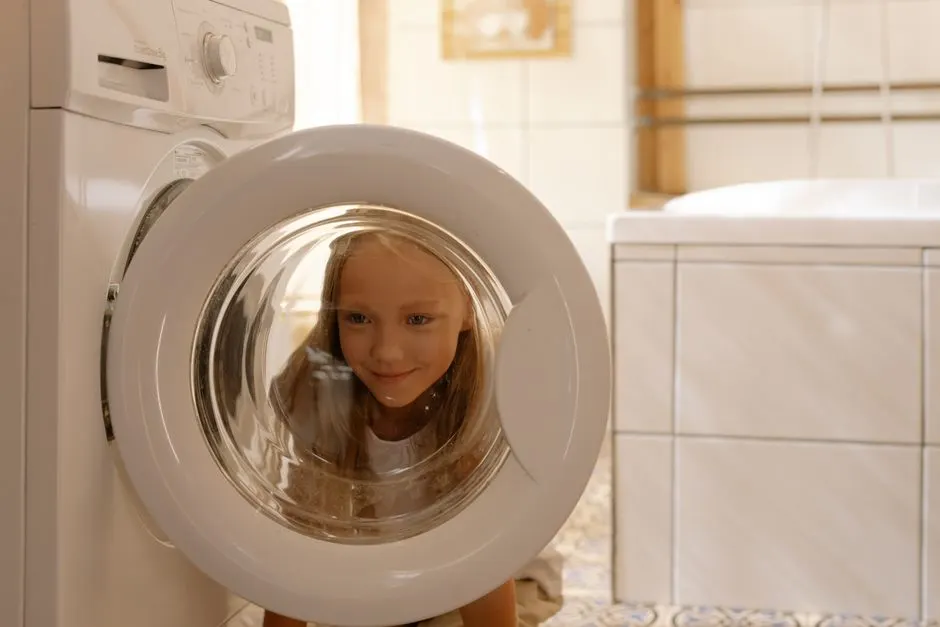
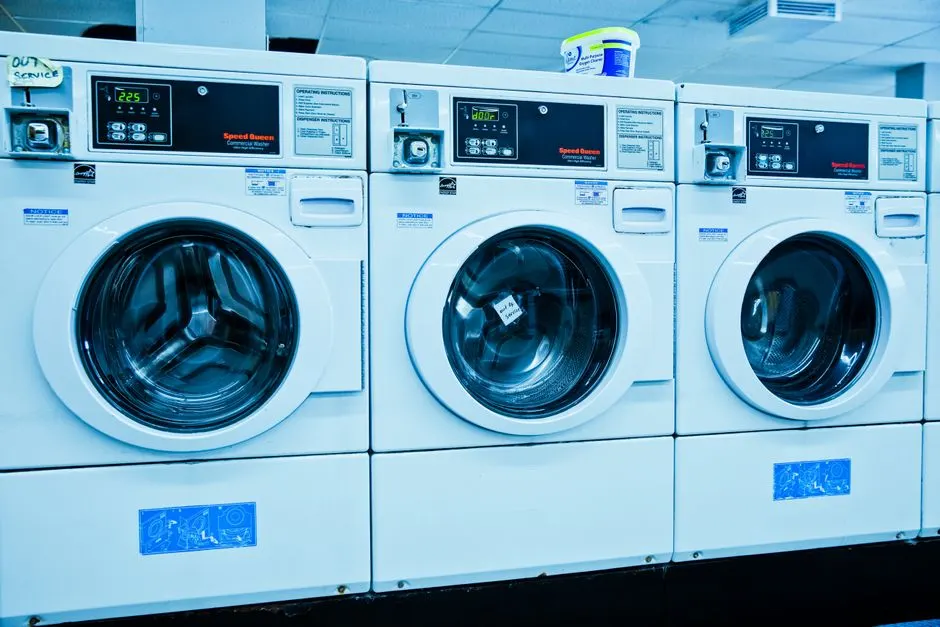
Residential washer repair in Hereford covers everything from a busy family's top-loader to a front-load machine tucked into a narrow utility closet. The city includes established houses, newer homes, rentals and properties on the outskirts, so washer access and plumbing connections vary. We ask whether the appliance is stacked, how the fault appears and whether water is present before arriving. That helps us plan the inspection and protect the route into your laundry area. When the washer is out of service, laundry piles up quickly. We handle no-drain calls, leaks, fill faults, vibration, odor and machines that will not start. We test the appliance and its connections, explain the confirmed issue and run the appropriate cycle after repair. If a part is needed, we identify it and tell you what the next repair step involves. Our goal is a functioning washer and a dry, clean work area.
- Household washer diagnostics — We test residential washers in Hereford for fill, drain, spin and start faults, then trace the symptom to the relevant system. If an error code appears, note it before resetting the machine. We check the likely cause, explain the finding and verify the repair with a suitable test cycle.
- Leak and hose correction — A leak behind a washer can damage flooring before it becomes visible in the room. We inspect accessible washer inlet hoses, the drain hose and the appliance's connections in Hereford homes. After correcting the source, we run water through the machine and check the floor and fittings for seepage.
- Front-load seal and odor service — For Hereford front-load washers, we inspect the door boot seal and drainage area when you notice odor, residue or water around the door. We distinguish normal buildup from a torn or displaced seal, then clean or repair the relevant area. We finish by checking the door closure and operation.
- Washer installation and leveling — We install or reposition washers in Hereford homes by checking the opening, floor, hose routing and available clearance. The machine must sit level and drain correctly to avoid repeat vibration or water problems. We connect the appliance, run a fill-and-drain test and confirm the floor remains dry.