
Residential washer repair for Ingleside homes
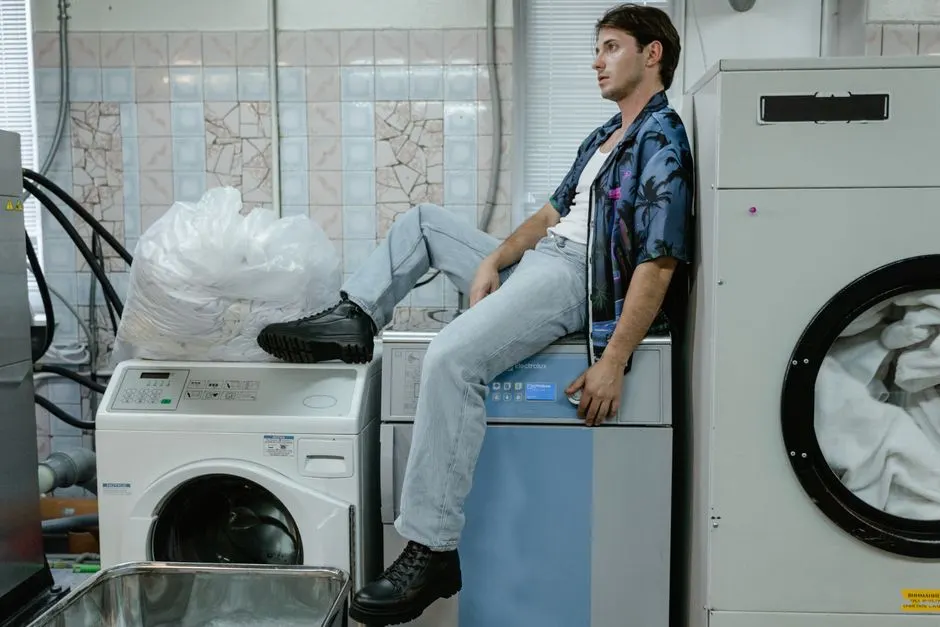
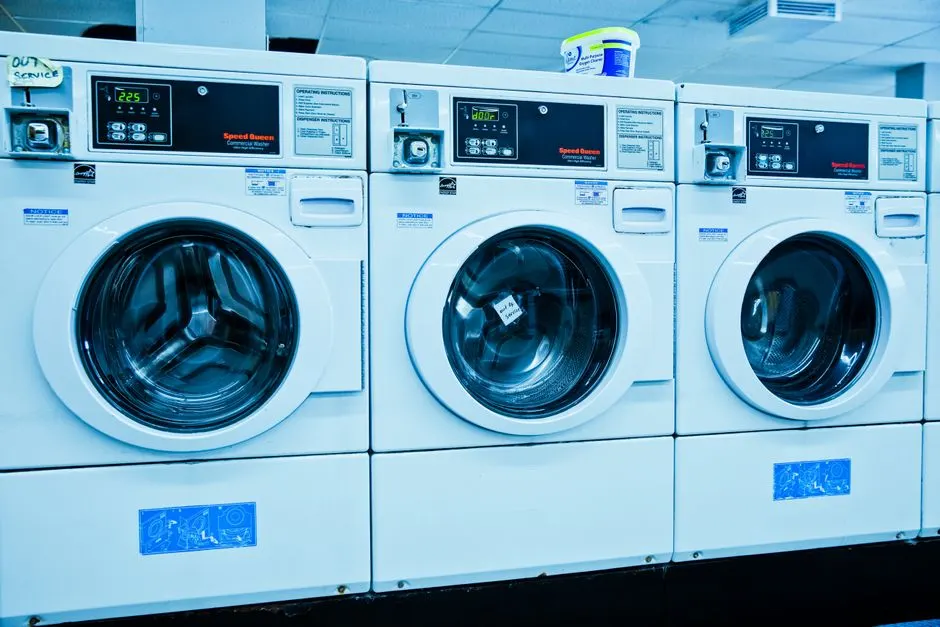
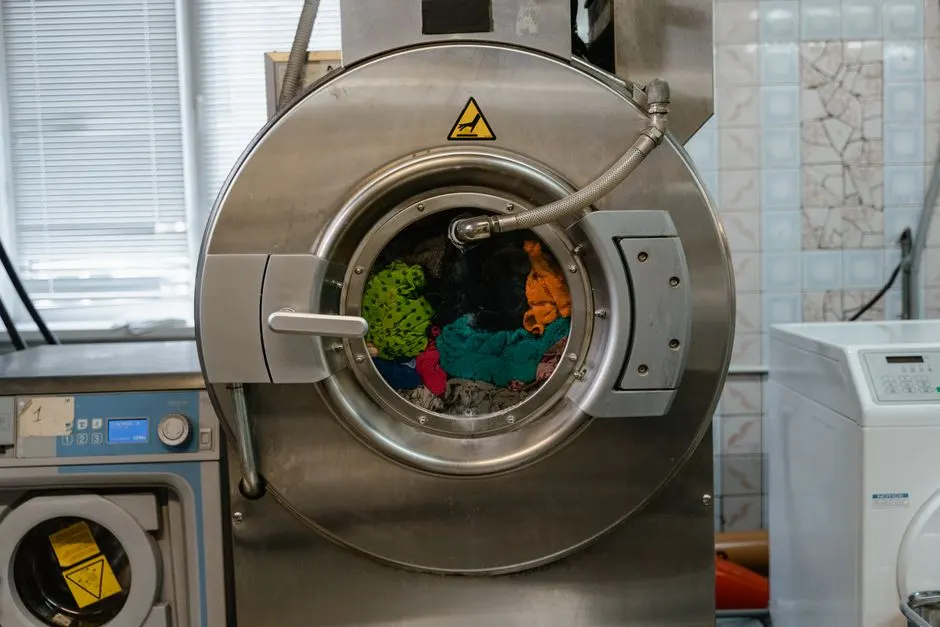
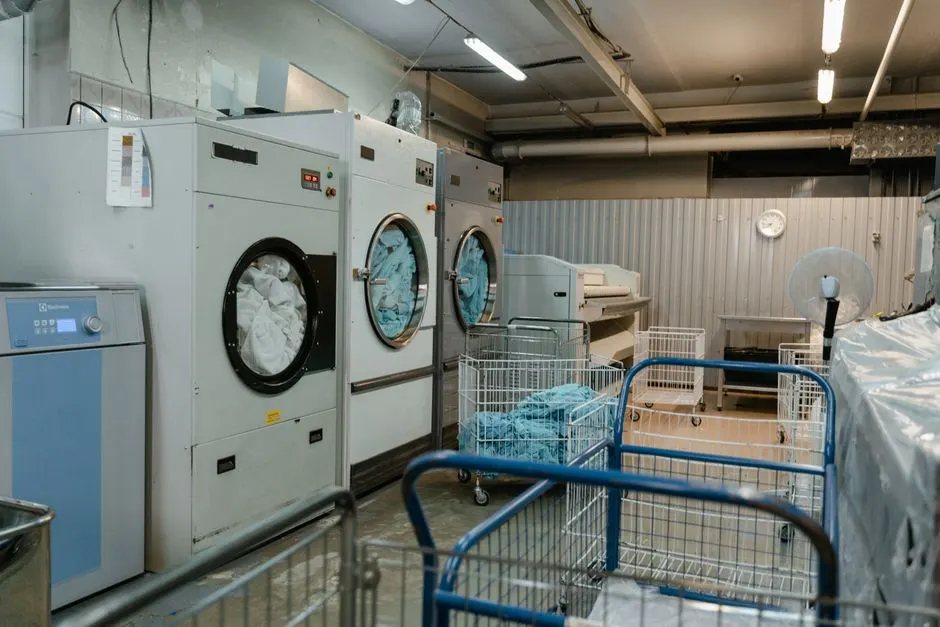
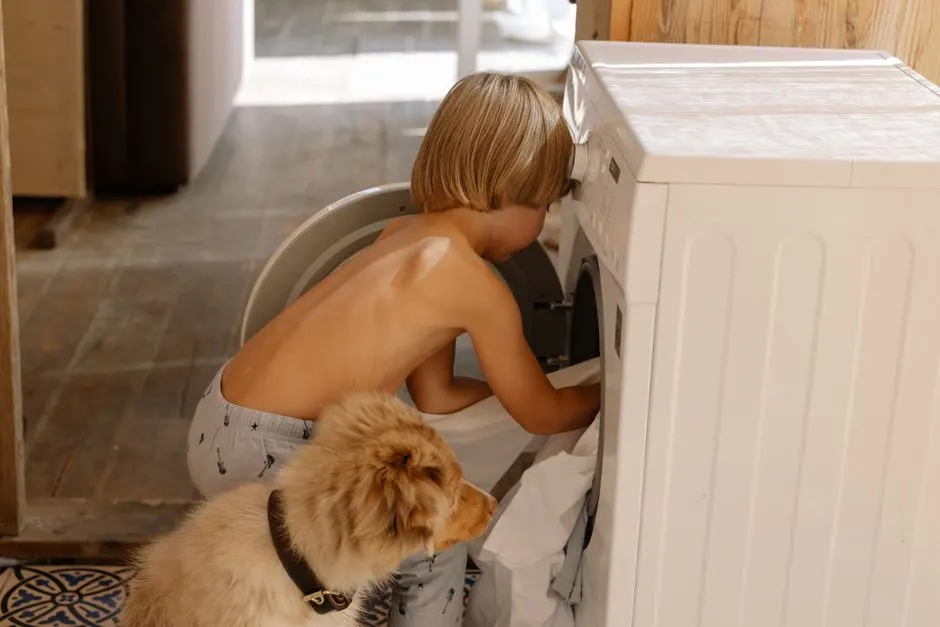
Residential washer repair in Ingleside covers detached homes, rental properties, and compact laundry spaces where one failed appliance can interrupt the whole household routine. We handle front-load and top-load machines in utility rooms, garages, and closets, and we ask about the setup before arrival. A washer that leaks during fill, leaves towels soaked, or shakes against nearby walls needs a diagnosis based on both the appliance and the way it is installed. Our technician checks the reported fault, accessible connections, and machine stability. If your unit is stacked, share that detail when booking so we can plan safe access. We also explain the difference between a maintenance issue, such as residue around a seal, and a component failure that needs repair. After the work, we test the affected function and leave you with practical operating guidance.
- Household drain and spin repair — If your Ingleside washer leaves water in the tub or clothing soaked, we check the drain path, pump response, and spin function. We identify whether the cause is a blockage, load issue, or failed component, then run a drain-and-spin test. This gets the household back to a usable machine without guessing at replacement parts.
- Leak and hose troubleshooting — We trace leaks at the door, supply connections, and drain routing in Ingleside homes. A wet floor can come from a worn seal or a hose connection, and the visible puddle may not sit directly below the source. We test the washer while it fills and runs, then verify the area remains dry.
- Front-load seal and odor service — For front-load washers in Ingleside, we inspect the door boot seal and drainage behavior when you notice mildew, retained water, or leakage at the opening. We repair a confirmed fault and explain cleaning steps that suit the model. Cleaning tablets can support maintenance but cannot correct a defective drain component.
- Washer setup and leveling — We install or reposition a washer in Ingleside only with attention to stable footing, hose routing, and the available space. A level machine is less likely to move during spin, and properly routed hoses reduce strain. We finish with a test cycle that checks for leaks, excess vibration, and normal drainage.