Residential washer repair for Pharr homes
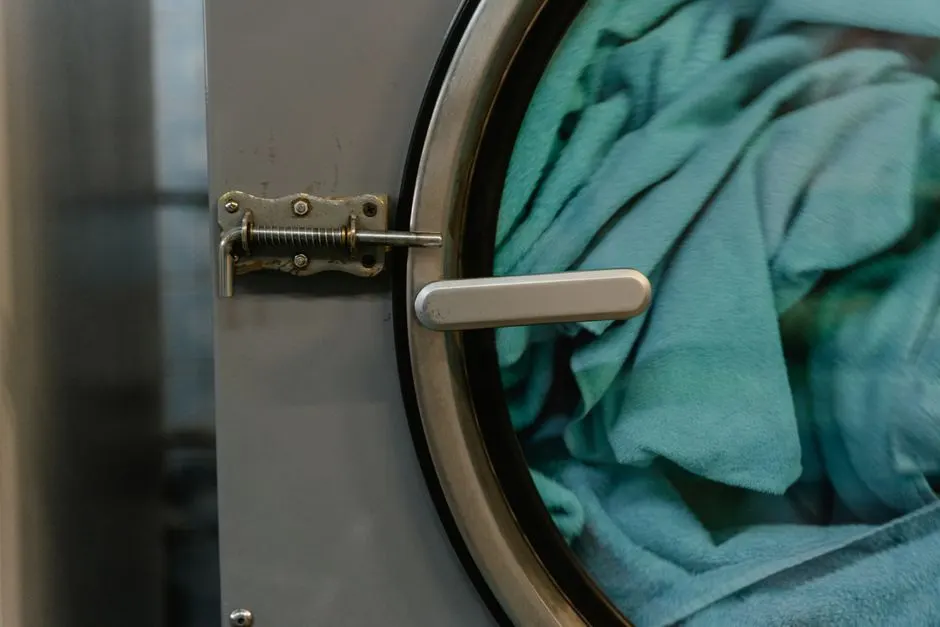
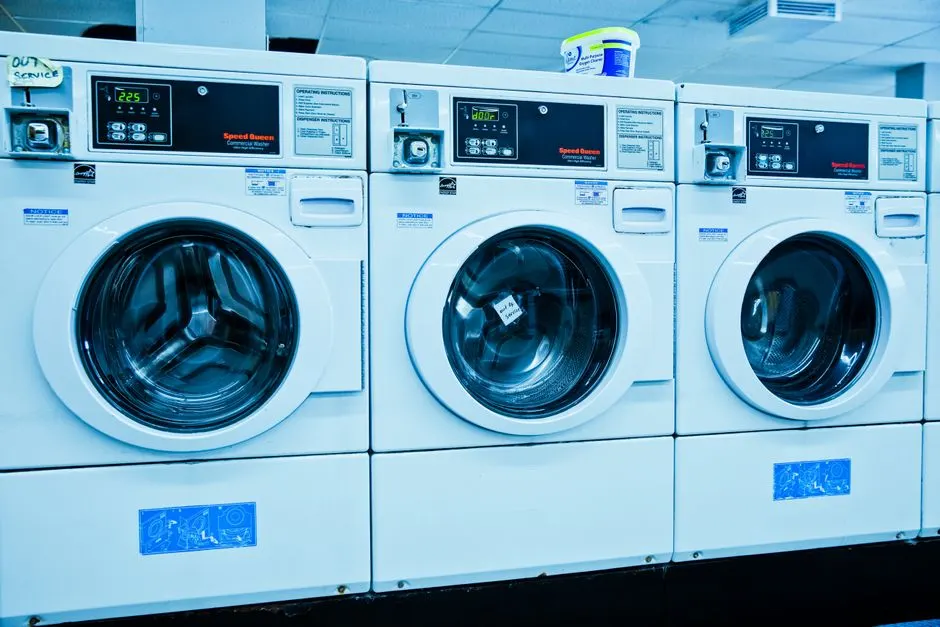
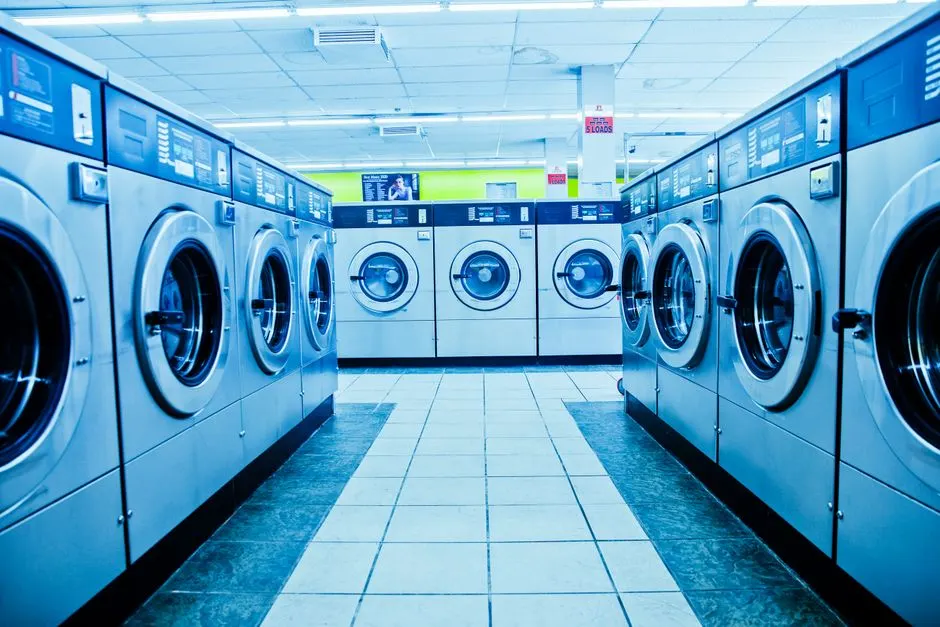
Residential washer repair in Pharr covers single-family homes, apartments, rental houses, and compact laundry closets. A washer out of service can disrupt a family's routine quickly, so our visit focuses on the symptom and the fastest safe route to a tested repair. We work on front-load and top-load units, including high-efficiency models in newer homes and older machines that have developed leaks, drain faults, or spin problems. Tell us if the appliance is in a garage, utility room, or stacked closet; the location affects access and handling. We also check that an installed washer sits securely and that water connections are routed appropriately. For a repair request, note the exact cycle stage when the problem begins and whether the display shows a code.
- In-home washer fault diagnosis — We inspect your Pharr washer based on the symptom you report, such as standing water, a failed spin, or an error code. Share the model number and cycle stage before the visit. Our technician checks the likely system, explains the finding, and tests the washer after the repair rather than relying on a reset alone.
- Leak tracing and hose inspection — If water appears near your Pharr washer, we identify whether it is coming from a connection, hose, valve, or door area. We check when the leak occurs and run a controlled test. This helps stop water at its source and reduces the chance of damage to flooring or nearby stored items.
- Spin and vibration correction — A washer that shakes across a Pharr laundry room can be unlevel, overloaded, or affected by worn suspension parts. We inspect the floor and cabinet position, then observe spin behavior. You receive a practical distinction between a setup correction and a component repair, with the result checked during operation.
- Washer installation and testing — For a new washer in your Pharr home, we check available clearance, connect the appliance as appropriate, and verify that it fills and drains. We inspect hose routing and cabinet level, then look for leaks during testing. If the laundry space needs plumbing or electrical changes, applicable local requirements govern that work.