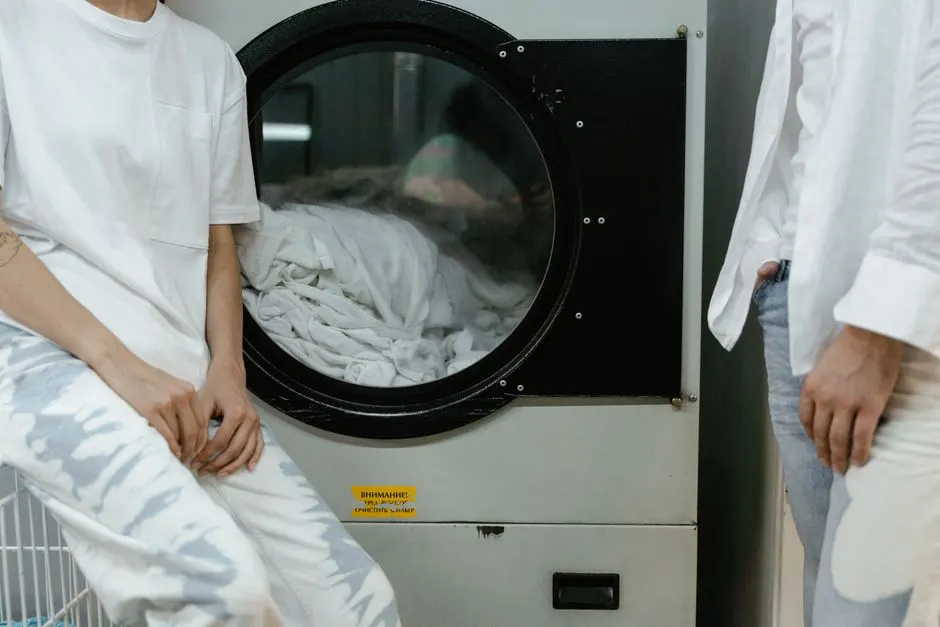
Residential washer repair for Santa Fe homes
Santa Fe homes range from established detached properties to newer subdivisions, with washers placed in utility rooms, garages, and compact interior closets. A machine failure can interrupt a full household's laundry routine, especially when bedding or work clothes are waiting. We repair front-load and top-load models, diagnose leaks and cycle failures, and handle installation when a replacement is needed. Washing machine repair in Santa Fe starts with the exact symptom and a check of the home's connections, not a standard parts swap. Families often call when the washer stops draining before school or work, or when a spin cycle leaves clothing soaked. We identify the fault, discuss the repair, and test the relevant cycle. If you have a stacked setup or a narrow doorway, tell us before the visit so we can plan equipment access. Our goal is to return a working washer and leave the laundry area clean and dry.
- Household washer diagnostics — We trace a residential washer failure in Santa Fe from the symptom to the component. If the machine will not start, fill, drain, or spin, we inspect its response and connections before recommending repair. You get a clear explanation of the fault and a test of the affected function after the work.
- Front-load leak and seal repair — Water near a front-load washer door in Santa Fe needs a source check before another load runs. We inspect the door boot seal, door alignment, and drainage behavior, then replace a damaged component when needed. A test cycle confirms the door area remains dry and the washer completes its operation.
- Top-load spin and vibration repair — If a top-load washer rocks or leaves clothes wet, we check the load, machine level, and suspension response. Santa Fe customers get a diagnosis that separates a simple balance issue from worn parts. We test the spin after correcting the fault so the machine stays stable through operation.
- Washer installation and replacement — We help Santa Fe homeowners fit a new washer to the available opening and connections. Before installation, we check clearance, supply access, drain routing, and stable placement. After connecting the machine, we run a fill and drain test and look for leaks before you put in a full load.